Nebraska 11 – Billy Collins ‘The Sandhill Cranes of Nebraska’

Another bit-part for the state of Nebraska, in a fine poem:

Too bad you weren’t here six months ago,
was a lament I heard on my visit to Nebraska.
You could have seen the astonishing spectacle
of the sandhill cranes, thousands of them
feeding and even dancing on the shores of the Platte River.

There was no point in pointing out
the impossibility of my being there then
because I happened to be somewhere else,
so I nodded and put on a look of mild disappointment
if only to be part of the commiseration.

It was the same look I remember wearing
about six months ago in Georgia
when I was told that I had just missed
the spectacular annual outburst of azaleas,
brilliant against the green backdrop of spring

and the same in Vermont six months before that
when I arrived shortly after
the magnificent foliage had gloriously peaked,
Mother Nature, as she is called,
having touched the hills with her many-colored brush,

a phenomenon that occurs, like the others,
around the same time every year when I am apparently off
in another state, stuck in a motel lobby
with the local paper and a styrofoam cup of coffee,
busily missing God knows what.

Such a simple, delightful poem about many things, one being naming/names. It makes me think of Edward Thomas’s Adlestrop – not because of its content, especially as Thomas takes in all that he actually sees, if briefly, as the train pauses at the station – but because it is the name of that poem which always stands to the fore, and the opening lines

Yes, I remember Adlestrop –
The name…

As I said, Nebraska has a bit-part in Collins’ poem, but it is, in fact, more memorable than Georgia or Vermont, I think, and not just because I come from and look for a reference to Nebraska: it is the clear, crisp syllables, and that mix of consonants and vowels.

Isn’t it? Perhaps we don’t expect a poem about Nebraska to reference sandhill cranes. Cows and corn perhaps.

There is also that sense of loss and missing, but Collins doesn’t make it a poem of longing or disappointment. There is a pragmatism in the acceptance, but above all there is an affirmation of the creative ability to imagine/describe what hasn’t been seen, pulling the rug from under the lamenting urges from others. I’ll call them ‘do-gooder’ urges!
Gibb’s Gaff Will ‘Always’ Be Telling

What did yesterday’s media reporting add to the impact of the parental-led boycott of primary schools to protest against this year’s SATs? Not enough to make a difference, and not enough to advance the intelligent arguments.

I haven’t seen all of the coverage, but in summary both TV and newspapers noted that whilst parents up and down the country did boycott, the numbers were quite small. This is hardly surprising. Most parents work. Most parents probably find such a boycott/protesting quite anathema to their experience. But enough did take their children out of school for ‘fun learning’ to make the media take note and this was the point: to raise awareness.

The BBC on its own is a good example of the variable quality of coverage: on its lunchtime Politics Show, there was an interview with parents whose children were having a day of such fun learning away from their classrooms, and one parent interviewed was exceptionally articulate in outlining the objections; on its BBC News at Six they chose the following example of an English question to represent the nature of the ‘demanding’ tests – write the words I am using an apostrophe.

One further BBC interview that was telling in a specific and sinister way was that with a spokesperson for The Campaign for Real Education. She trotted out the same mantra of the need to teach the ‘basics’ but then added that the tests had to exist to make sure that teachers were indeed carrying out this teaching.

For those of us opposed to the tests, and neutrals who enjoy a gaff, Nick Gibb made the now infamous mistake of getting a grammar question wrong in his radio interview for World at One, not understanding the difference between a preposition and a subordinating conjunction. This ironic double whammy proved: first, the sham of the Schools Minister insisting on the need to know grammar [though testing] when he so clearly doesn’t; and second, how useless and unnecessary such grammatical knowledge is for someone clearly still educated and articulate.

But the Gibb gaff is no more than this: instructive of how arrogance and ignorance will bite you on the butt, given the chance, but the wound will heal as the tests proceed.

The most obvious confirmation of the obvious from yesterday’s action is the need for the teaching profession to narrow and focus its attention on the central problem: the English SATs, especially the Grammar, Punctuation and Spelling test [GPS or SPaG as formally known, and still called so at GCSE].

In arguing against SATs, there are other relevant and important issues regarding stress for pupils, teachers and parents; the chaotic implementation of the SATs this year; the persistent amendments and alterations to these, and, of course, the actual purpose of the tests as a measurement of teachers and schools rather than pupil progress: admittedly, a political argument.

But it isn’t evident that there is a consensus, let alone a noticeable number, on any of the above or opposition to maths/numeracy tests, nor even the spelling only part of the SPaG – apart, that is, from the debacle this year of their having been available online weeks if not months prior to being set as unseen tests.

The clear problem is with the grammar/punctuation element of the SPaG, and so much of the trenchant chronicling of and argument about their abject uselessness as well as unreliability has come from teachers and grammarians, but most specifically and widely by Michael Rosen. His has provided a consistently damning exposé of the error and unreliability of the tests as presented, and he has a public and professional reach which is significant, especially judging by the responses to this on social media from teachers and parents. I like others on the periphery have added our own arguments, mine often satirical but no less critical, yet these are largely unheard voices. That is very much the problem: we need as a teaching profession, along with those writers who have consistently argued against these specific SATs, like Philip Pulman et al, to prevent dissipating the argument by moving away from seeking a blanket ban and concentrating instead on the blatantly unsound and unnecessary SPaG.

Nick Gibb’s gaff, as fleetingly telling as it was, will always be able to provide a template for proving the nonsense at Key Stages 1 and 2 [and beyond really….] of the grammar teaching and testing.

It is still worth listening to:

https://youtu.be/g1QBXuAf5Ag

Let Our Kids Be Kids at Sea Life and Everywhere

Posted in support of tomorrow’s ‘Let Our Kids Be Kids’ protest against this year’s SATs:

National Curriculum at Sea Life

Karis will be seven as spring begins
and today she reads beautifully
of aquaria and anemones,
watery new words from a brochure
to bathe and prepare her
for hot summer SATs that test within
landlocked and fixed boundaries,
unable to reward
‘the o flying away from didn’t is an apostrophe’
or to understand, as it’s only October,
the other beauty of her error
when reading the ‘astonishing angels’
from which everything at Sea Life can be seen.

Most noticeable angles are actually hard
as she’ll learn and
tell herself when discovering what might have been.


The poem above was originally published in 1998 in my collection Nearing the Border.

As a teacher and parent, I have always been opposed to English SATs because of their unreliability as tests and also their primary purpose – let’s be real here – to be a measurement with which to pretend to gauge student/teacher/school ‘progress’.

As a teacher, especially a Head of English, I had to teach KS3 SATs, doing so with as much engagement and humanity I could, and then to suffer the negative consequences when not meeting my ‘targets’, this often in spite of challenging blatantly erroneous marking, but usually to no avail. Apart, that is, from the one year when our results were extraordinarily good – some of the best in the country – and again erroneously marked!

As a parent, I made sure my daughters were never troubled by the existence of these tests, and to the best of my knowledge allowed them to stay at home when the tests were being administered at their schools. Both of my daughters are today exceptionally gifted writers, by the way, despite the belief from successive governments that such testing is crucial to student development and progress.

Thus the writing back then and posting today of the poem where one of my daughters demonstrates some of the reasons I will never support this kind of testing [I refuse to call it assessment, because it isn’t]. The irony is, of course, that regardless of this, and an entire career of protesting against such educationally unsound policies, they are still with us.

Astonishing Reach of DfE

The DfE trolls, I mean drafters, have proved yet again their wide deceiving sweep when various news media, reporting on the event, received the following in response to the planned ‘Let Our Kids Be Kids’ campaign planned for 3rd May where parents will remove their children from schools and this year’s SATs testing regime.

For those who remember the exclusive announcement of The DfE Drafters Game on this site here, playing today with the following gem of deflection,

A Department for Education spokesman said: “Only exceptional circumstances warrant a child being taken out of school during term time.

“We are clear that tests should not be a cause of stress for pupils – they help us ensure schools are performing well, and we know the best schools manage them successfully.”

He added: “We know mastering the basics of literacy and numeracy at primary school has a huge impact on how well children do at GCSE, which is why we are determined to raise standards.”

will find you the following hosts:

The Guardian
BT com
ITV com
news xinhuanet
The Mirror
aol
china org [!]
The Northern Echo
Shepton Mallet Journal
Guernsey Press
The Times
Express and Star
Oxford Mail
The Bolton News
Daily Echo
Bournemouth Echo
Reading Chronicle
Wiltshire Times
Watford Observer
Windsor Observer
Somerset County Gazette
South Wales Argus
Northern Echo
Dorset Echo
Lancashire Telegraph
Bury Times
Hampshire Chronicle
Slough Observer
Western Telegraph
Herefordshire Times
Harrow Times
Eastbourne Independent
Jersey Evening Post
Craven Herald
Darlington and Stockton Times
Sutton Guardian
Warrington Guardian
Buck Free Press
Croydon Guardian
Stroud News and Journal
Swindon Advertiser
New Shopper

and more……

Beautiful Things

Screenshot 2016-05-01 08.27.12

Over-cogged
even turning wheels

need to escape,
steel chunks

rather than
idea-balloons,

there is no room
for exclamation marks –

just pieces
that cannot

fit,
too many

too much
all sizes

all spinning
where there should be

beautiful things.

Inglorious Industry

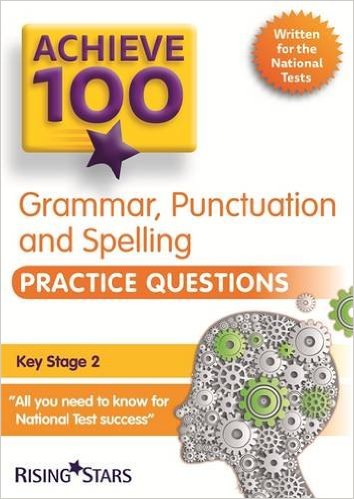
As I started this theme yesterday I will continue: another I was sent as advertisement automatically today [via amazon] not to intentionally annoy, but it has! I must have researched similar….

The quote from a ‘customer’ after the image says it all.

sats

Haven’t used it yet but I think it will be excellent SATs practice for the year 6 child that I tutor.