Old-School Exam Marking

old school exam marking

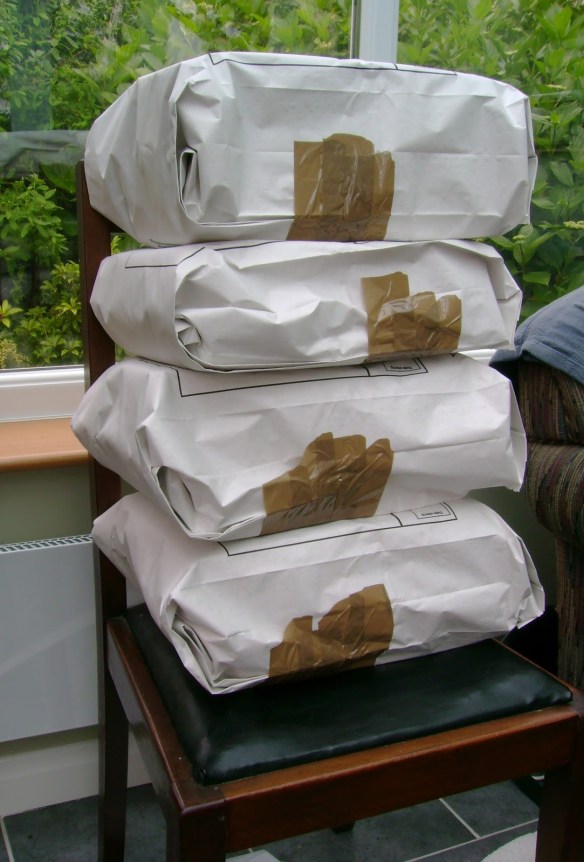
Excusing the unintentional but nonetheless naff pun of the title, I came across this picture just now from July 2012, my returning to the exam board the bagged GCSE English Literature scripts I had completed marking (there will have been more) including one centre with 230 students and their papers. Now all online, it is a reminder of a past that’s quite different to the present, not least that after 35 years of marking, I am not examining anymore. I was asked if interested in being involved this year – in whatever post-results scenario that could possibly be after no actual national exams having been set – but I am sticking to my decision to call it history.
Gibbo’s Irony

This is a nit-pick, but a righteous one. Nick Gibb, the Minister of State for School Standards and Irony, has written the foreword to the DfE The reading framework – Teaching the foundations of literacy (I have written that as accurately as I can re-present in from the document itself) released in July, 2021.

In this foreword, Gibb has written the following inaccurate sentence:

‘Pupils who struggle to read struggle in all subjects and the wonders of a knowledge-rich curriculum passes them by unread.’

The first inaccuracy is in the absence of a comma after read and before struggle. There should also be a comma after subjects. The third error is referring to wonders in the context of ‘a knowledge-rich curriculum’ which is oxymoronic.

The rest of what he says is largely ideological drivel, and the document’s guidance is worse. There are obviously important links between reading and writing, but as evidenced for years with the actual English Key Stage 1-3 Writing SATs, Gibb’s promotion/involvement is as useless as a bag full of forgotten commas.