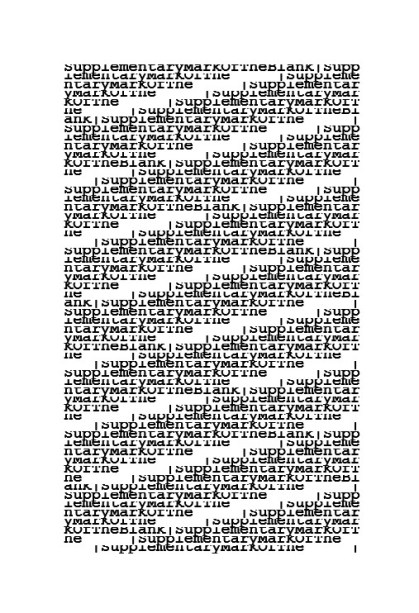


‘supplementary mark of the blank’ – Derrida
Reply

Reading the prose poems in Ian Seed’s latest collection Night Window is to enter once again those signature everyday but often surreal and absurd scenarios from which his narrators’ and (by association) our common human frailties emerge. The storytelling mixes mystery and magic with the ordinary so that pulled in we are both amazed and appalled at finding ourselves sharing the uncertainties.
In the prose poem Bookkeeping, the narrator goes to collect a bicycle from where it is being repaired but encounters a kind of small chaos that leads to feelings of being diminished. Facing an affront, the narrator becomes helpless and suddenly isolated, unable to cope with the jeopardy created in the specific storyline which will also resonate for the reader as a similar kind of experience in their life, real or easily imagined. A ‘large ledger open’ on a desk reveals a mystery to usurp the narrator’s anxiety and tempts us as readers to escape our own sense of fear/pain in the absurdity of its unknowing.
Evening presents a quieter scenario for its threat to be revealed, and the storyline deals with familiarity and change colliding to its comically surreal end. There is an enforced banishment/removal as a ridiculous outcome for the narrator having been complacent about an unwelcome behaviour – a manner that we presume was formerly accepted as ordinary and familiar.
In Geometry, a lovelorn tale is recounted briskly but accounts for ‘a few years’ with a significant change in circumstances. A romantic, idyllic setting is placed against the self-conscious jeopardy of a ‘bald patch on my crown’ getting burnt in the sun, and in this we sense both the ludicrous nature of concern and the poignant nature of loss.
There are times when the storytelling takes more time to set up and plot the anxiety of a moment so that as readers we walk along with this relatively longer journey. That is the case with Luggage, but the ruse is to lead us to the bathos of its revelation. The reality of uncertainty and mistake is how banal it can be; how commonly this occurs to make it so.
There are two wonderfully insightful, illuminating back-cover blurbs from Luke Kennard and Casandra Atherton for Seed’s poetry collection. With such precise understanding and appreciation of his writing, both thematically and stylistically, I cannot as a reviewer hope or need to add anything that would expand on their fine overviews. I will, however, quote two brief excerpts to highlight the shared, persuasive urge to readers: ‘a perfect balance between the elevating magical and crushingly disappointing’ (LK), and ‘impermanence in uncanny, liminal and provocative poems’ (CA).
If you know Ian Seed’s work well you will thoroughly enjoy continuing the journey; if you are new to this, you will thoroughly enjoy the discovery. You can read more details and purchase the book here: https://www.shearsman.com/store/Ian-Seed-Night-Window-p584010639

With thanks to International Times and Rupert for posting my poem today at IT.
You can read the poem here


~

I am delighted to have my three TextArt pieces posted with Ice Floe Press and its Geographies series today. With thanks to Robert and the press, and especially for this generous announcement.
You can see all three here: https://icefloepress.net/2024/01/19/geographies-of-breath-visual-poetry-by-mike-ferguson/
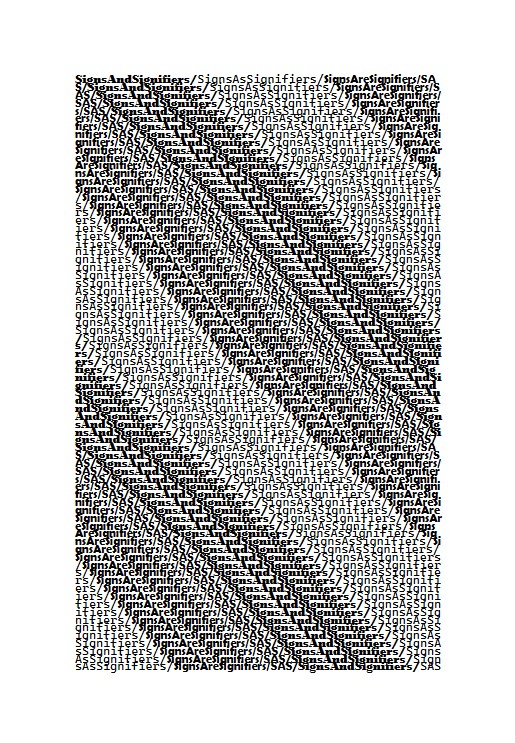

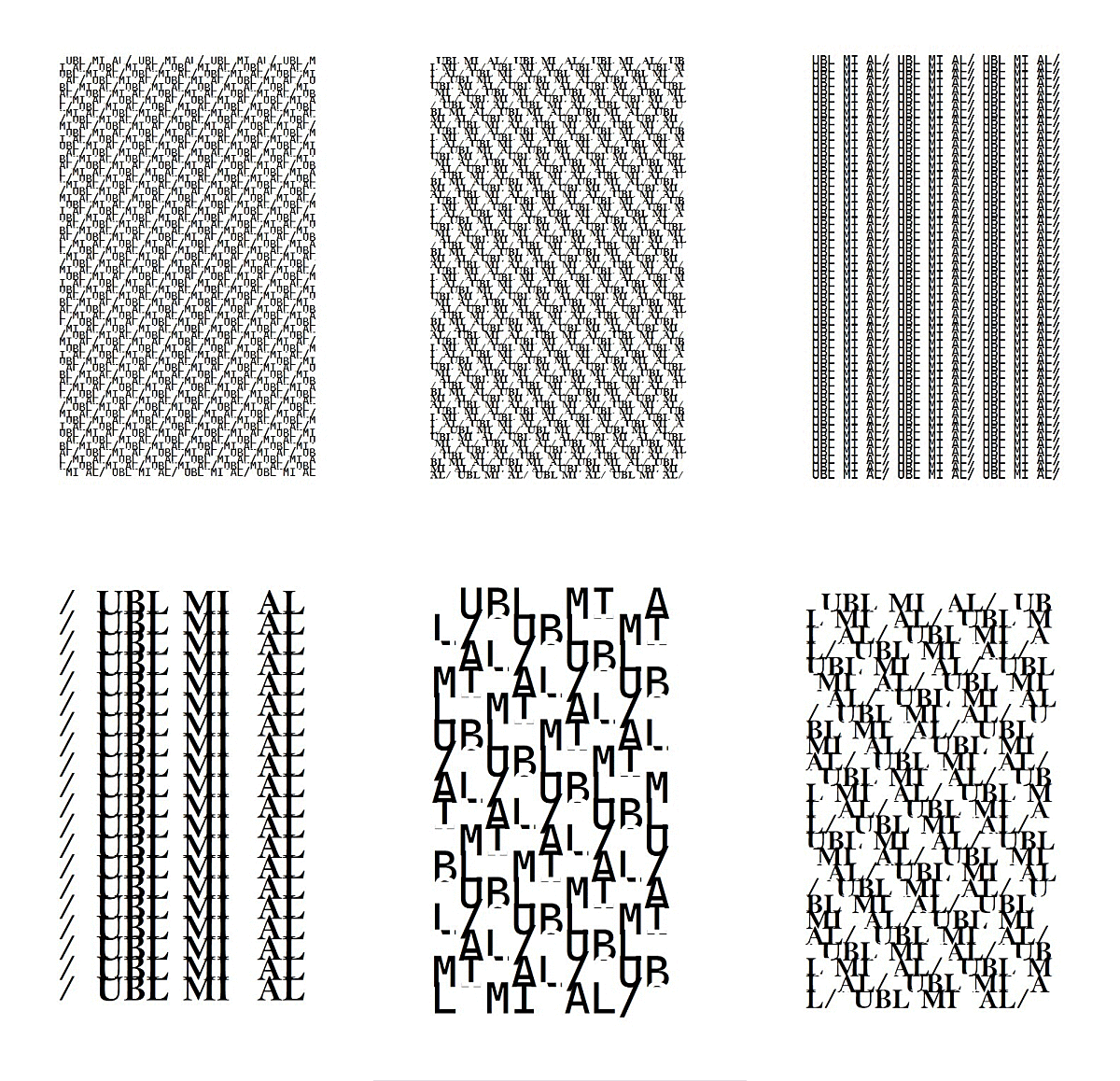

Delighted to be in Issue II of Needle Poetry, especially having received today the hard copy of this big and beautifully produced collection full of engaging text and visual (much in colour) work.
An extra pleasure is having the two of my generative poems included where the line ‘TextArtTransitions’ perform that process and encapsulate perfectly, for me, the found and worked-at essence of this approach.
For a short time you can view a free digital copy of the book here: needlepoetry.co.uk/store
My thanks to D. Parker
Would like to have written more to share, but this is what I was able to do.


Like many do, ‘review’ tweets are a guick but positive way to express liking and recommendastions, but these are harder to locate and link!
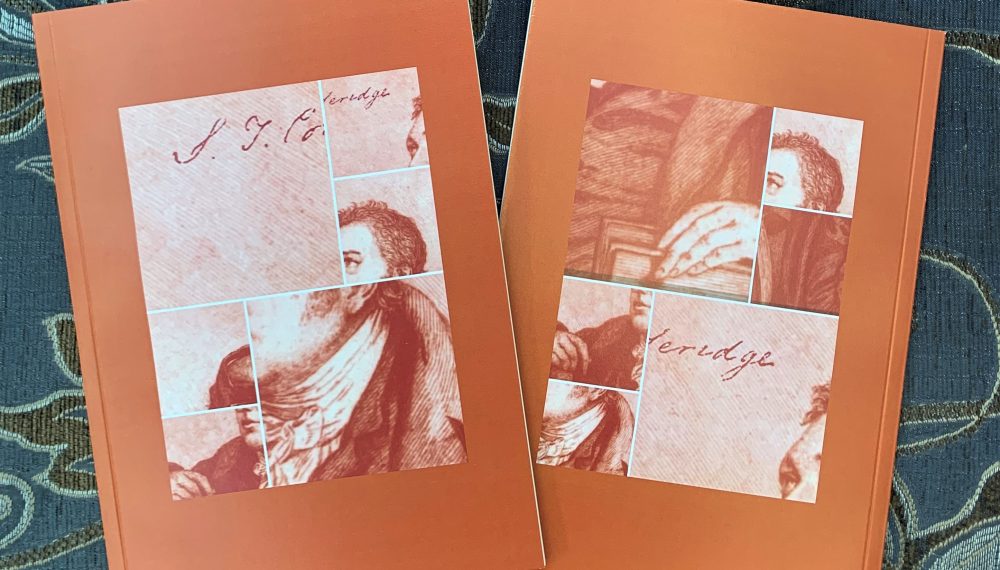
It has arrived
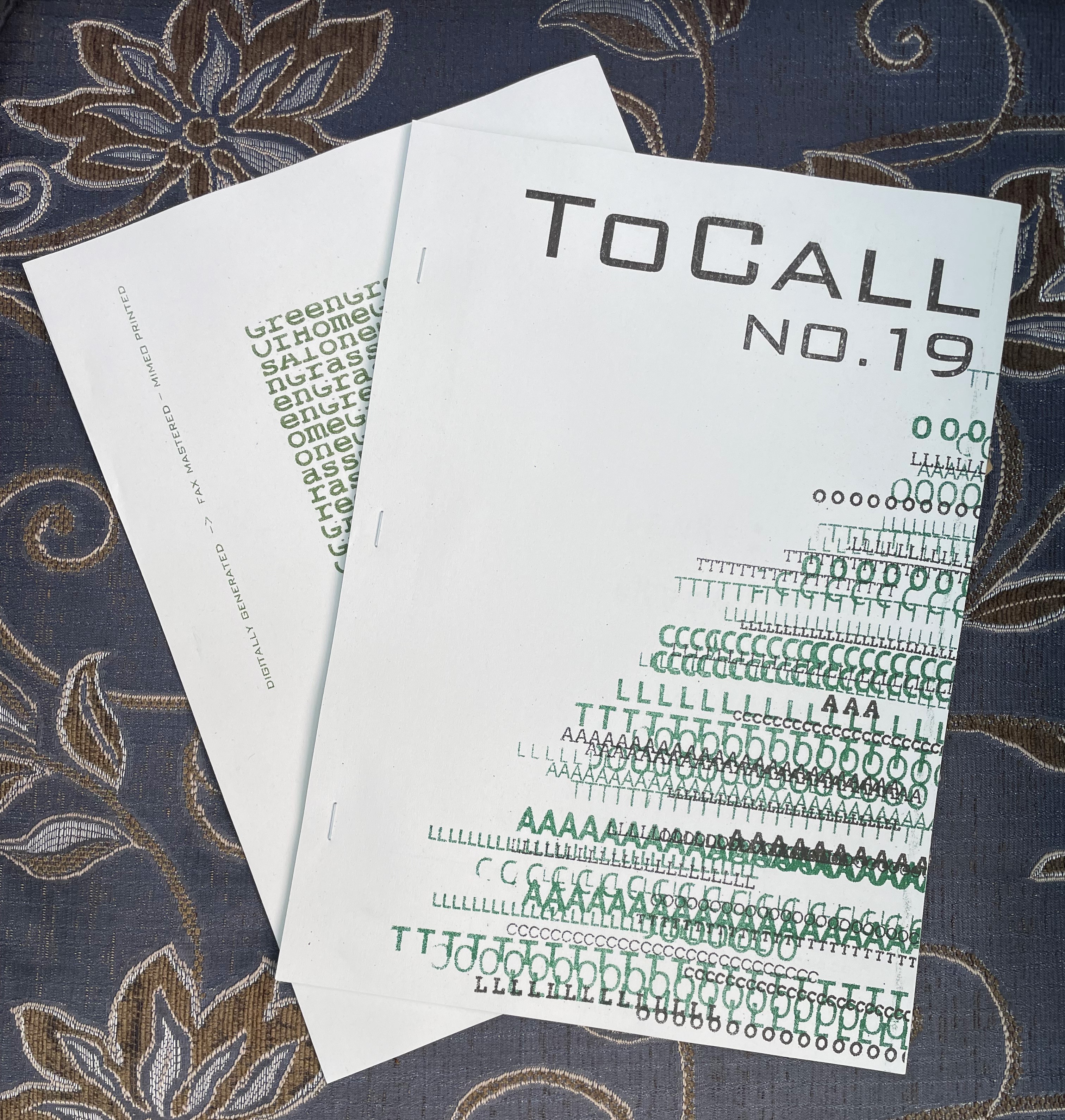
My contribution as a tease behind the booklet and its front cover.
ToCall magazine
is inspired by the last issue of Tlaloc, published in 1970 and edited by Cavan McCarthy.
Each issue features works by international authors, poets or artists focussed on a specific topic.
Following the tradition in Tlaloc magazine the cover is a one-word poem using tocall/tlaloc.
Printed on Gestetner mimeographs in an edition of 100 copies.
Edited and designed by Petra Schulze-Wollgast (psw), published by Plaugolt SatzWechsler (psw).
 gravyfromthegazebo