Very pleased to have three found prose poems here at X-Peri. Thank you Daniel.
This is writing still found, but selected on themes/ideas/explorations featured on X-Peri.


[for Andy]
I do
smiles;
I take care
and keep well
in this
palliative noir:
the balance
between
sun and shadow
and you
in my life.
I managed
to hunt out
wild ones
in the hospice;
in these words
you reorganise.
I will
keep in touch
and it is me
finding ways to
reorganise
past words,
thin, watery,
good timing
from yesterdays.
Slowly
the balance
is recovering,
an uplift
to have known.
His and my
words.
To live, eh?
Thank you.
[6th March, 1969 – 7th October, 2016]
[Originally posted May 2011]

I was in the States in ’92 and first heard of Pearl Jam when Jeremy was playing on MTV, the third single from the album Ten released in 1991. I was hooked immediately, blown away by Eddie Vedder’s vocals – it is one of the most distinctive and dominant rock vocals of all time [and it does well on current Ukulele Songs to just about stay superb above the incessant strings of the title and whole album’s unusual star instrument!].
Apart from the brilliance of the vocals, songwriting and instant rock credibility, it was the ‘new’ grunge sound that finally put the eighties back to the nowhere from which they sprang musically. I know it was – and still is – a nostalgic sound in reality, but the 70s rock roots were always going to be what I wanted to hear again and again, and Pearl Jam pushed all of those time-shift buttons brilliantly. At some stage I might write about all of the other retro-rock bands that emerged in the 90s to kickstart my aural awakening.
Other classics from the album are Even Flow, Alive and Release, though all the songs are outstanding. It’s a polished rock/grunge sound in fact and I can imagine those who revere the 80s for its punk creations would be less enthusiastic about this album in particular. Pearl Jam’s rawer sound was and is always in performance and of course in albums like Binaural, Yield and Riot Act.
I have only seen Pearl Jam twice, once at Wembley Arena and once in Cardiff, and I missed a more recent gig in Birmingham with a bad back that prevented my travelling: getting on and fragility fighting the pursuit of rock longevity, the latter of which Pearl Jam and Vedder in particular have certainly nailed.
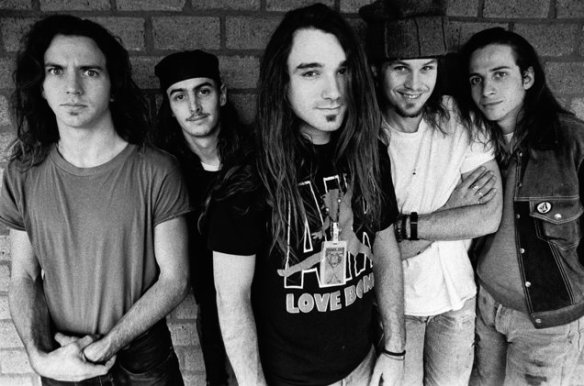
[NB I did manage to see the band once more in Manchester]


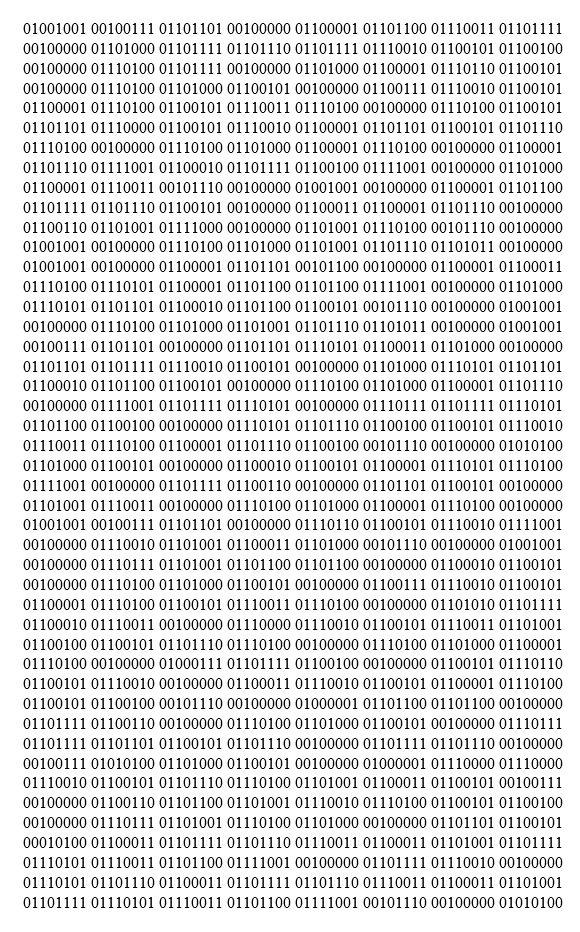
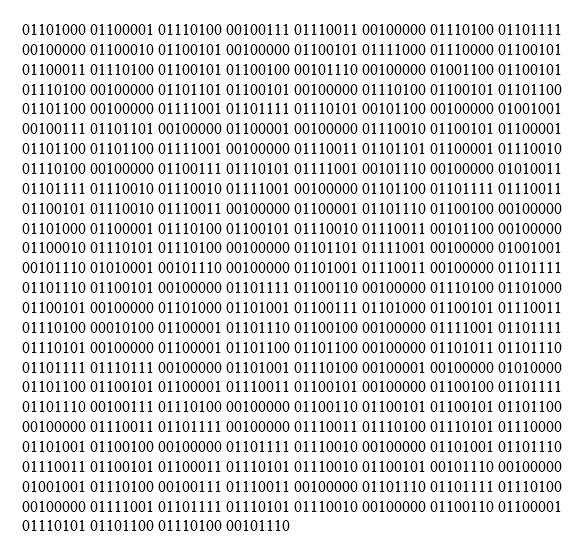
This is a genuine afterthought [which I state now as I had previously tweeted I wouldn’t be referring to this work again…]:
One of my favourite ideas of those you can find here for tomorrow’s National Poetry Day is the Change Quotes one where I have written in the teacher’s notes about using an online random word generator and so on to use with a class to undertake this approach.
Well, that’s what I do/did for mine, and it’s great fun, but it does need access to PCs/tablets for class use in school, which I acknowledge, and is probably quite problematic, which I acknowledge.
You know how some things take a long time to catch you up? Like the obvious?
Well, the apocalypse just now is: use paper and scissors! Do a bit of William Burroughs and simply indulge in some retro cut-ups where you supply the quotes on paper [photocopied so retro-techno too], students cut out the lines with scissors [or phrases from the lines, or just words – but I am complicating] and these are put in a bag/hat/sack/box or simply turned face down on a desk and they are then picked out/turned over at random and
PRESTO – you have your randomised cut-up Change Quotes poem to write out in the existential order of their selection!
Simples.
Likening oracy to black pudding was more serious than it seemed – that being the point – and if you read that posting here you will see I was both welcoming and ruing the contemporary focus on oracy in the classroom. My latter sentiment was based on the fact I had championed it, with some others, way back in the mid-1980s and it therefore seemed a little sad within the overall positive feel of its contemporary attention that it still required a rationale/justification for its essential classroom use.
In searching through a long-forgotten and recently found box of stuff [I am innately nostalgic and a hoarder to fuel this proclivity] I discovered among various personally relevant gems the following article I wrote for the Times Educational Supplement in 1984. This was only four years into my English teaching career and I am a little surprised at my confident conviction then – but proud of that, on reflection – and it was borne at the time out of the excellent mentoring and exemplification I received from my Head of Department. This was consolidated by my own classroom practice focusing on oracy and also the local authority English Advisor asking me to present my ideas and experiences to Heads of English at a HOD conference when I was still such a relative novice: those amazing days of professional stimulation and support in Devon, and elsewhere – you see, such deep nostalgia.
I continue to have my mixed feelings. We came a long way to implanting oracy into widespread classroom practice throughout the 90s and a little beyond, including significantly Speaking and Listening as an integral part of GCSE English assessment, but this has now disappeared as that ‘validated’ core, and even the theoretical basis of oracy’s proven value seems to be clouded by time. Thanks to the work of, among others I’m sure, Voice 21 [and read about my learning curve on this here], the English & Media Centre and NATE, that cloud is lifted by continuing promotion.
Here’s the article:

To read and/or enlarge, the article can also be viewed here: gnomes of oracy