
Deep-searching and cleaning on the computer this morning and all I do is find things I have forgotten are saved and won’t delete anyway.
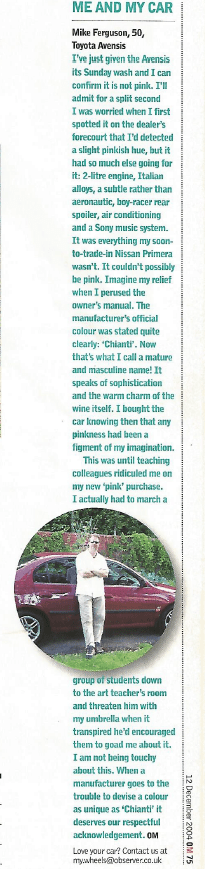
Like this from the Observer Magazine – 13 years ago!

Very pleased to have a poem published at this relatively new magazine and who are a literary magazine focusing on emerging fiction and poetry with a preference for the weird…
Read here and other poetry and fiction on the whole site.

This excellent book-length ‘minimalist’ poem reveals what it has to reveal gradually, somewhat like the ‘broken bit of skirting’ and ‘stair-rod’ of the first page become less disparate in the disparate observational continuum of the whole, especially when bits of building are mentioned within a lineage of ‘a hedgehog’, ‘a grapefruit’ and ‘pigtails and mushrooms’ that take us up to page 27, a page that ends with the line
‘i’m at home wearing new trousers and making intuitive drawings’
The poetic and other philosophies within all of this are as simple as the simple items described and the direct observation of
‘2 buddhas make some soup’
‘one makes it differently’
What engages and amuses and surprises [so I’ll only mention one so as not to ruin for your own reading] are the ways in which observations are repeated but altered, as is the unfixed nature of any observation as well as interpretation and the fact of difference – so, for example, references to lemons can be
‘a pile of lemon and lime skins’
and
‘a witness to a lemon on a slag heap’
As we read we are experiencing the world in all of its mundane to complex existences, and occasionally there is the deeper contemplation of this
‘meditation on sulphur, calcite and stibnite’
to the variation on a theme
‘i saw her eat a lime’
Did she eat the lime
‘behind the wall’
because this is the chronology of the observation, or have we moved on and beyond?
Perhaps the questioning within the text becomes more taxing than our own, but in the end only we can decide
‘examine the difference between a blue plastic put next to me and
placing myself next to a blue plastic’
There are no new narratives but this is one of them. It is a sequence that genuinely surprises and delights, but you must have the perseverance to match the writer’s stamina for discovery, for example
‘the first 1000 google images of yellow paper cups 28/4/13’
More details and to purchase here.
Delighted to have my poem Rainbow Aphorisms at Stride .
This is a poem from my sequence American Finds, found poems from the Great American novel, and I appreciate the support in publishing these – I hope to one day get a collection out where they can be read in the whole.
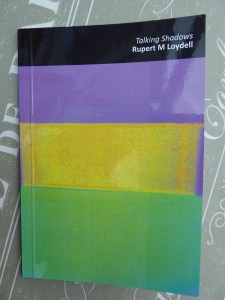
The poems in this collection seem cut-ups/found and convey a sense of loss or change – though not as maudlin observations and rather moments of candour – as with first poem Downriver where
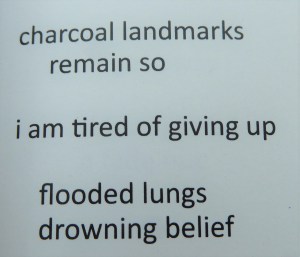
In the title poem, similar reports of diminution continue
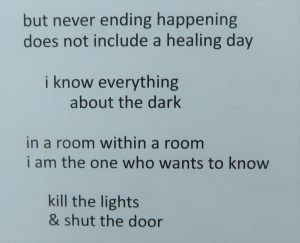
The titles too [though not all] present decline, for example Skint City and Derailment, though in this latter there is hope/humour/’lite’ litotes perhaps
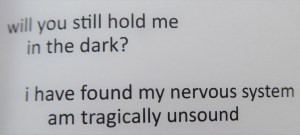
The A Circle of Mirrors section continues the patterning in lay-out. In Cantilever there is within this the playing with further patterns of repetitions, the brevity of the whole – as with each short poem [perfect for this Red Ceiling chapbook] – providing succinct moments of aural clarity even when the ‘meanings’ shift with re-reading.
These ‘shifts’, by the way, are when we see beyond the perceived mood and simply enjoy the language and imagery that flashes before us, somewhat like
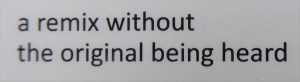
An evocative chapbook to have and read. Check here to order.







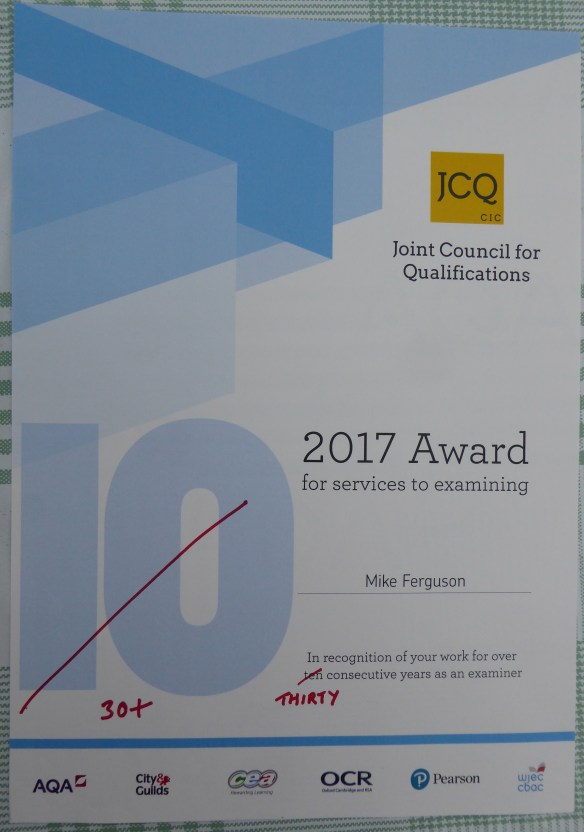
I received this certificate/award for my commitment to examining over the years, at GCSE and specifically, though not detailed here, for English Literature. It is a positive gesture of sorts, somewhat overdue – as annotated by me on the sheet – and smacking a little of that ‘corporate’ notion of reward and recognition that lacks the personal touch because it is automated by statistics held remotely somewhere: and in my case the wrong ones.
And I miffed? Apparently. I’m hard to please, I know, and easily riled when I should simply get on with more important things. Instead of writing a letter of complaint – my grumpy-old-man default position – I posted a picture of the certificate on Facebook as a means of demonstrating minor ire. I had two particularly clever responses: the first from one of my daughters suggesting I send it back for a ‘remark’ [that would have been very amusing], and another from a former student who suggested I ‘correct’ its error in red marker, which is what I have done and now share.
I know I’m just passing the time, and the catharsis is mildly pleasing. On a more serious note, I don’t think we are generally/nationally very good at recognising the long service of people in education, especially in schools – though there may be regional or specific examples of good practice here – and I would expand this to the public sector services more widely. The police force has a culture and system for acknowledging such, for example its Police Officer Long Service and Good Conduct Policy and Procedure which is/can be awarded at 20 years of service.
I want to be clear: I value the support and recognition from colleagues above all else in both teaching and examining experience, the former including that from students. As for examining, I have been doing so for at least 30 and probably more consecutive years. It is a professional commitment and doesn’t require a certificate of acknowledgement, but if I am going to get one, I should like it to accurately reflect more than just a third of that commitment.
 gravyfromthegazebo