
Thank you IT and Rupert for presenting ‘Why Excel’, another from my collection &there4. I can’t stress enough my apprecition for this and other editors of online magazines/journals for posting this work. You can read it here.
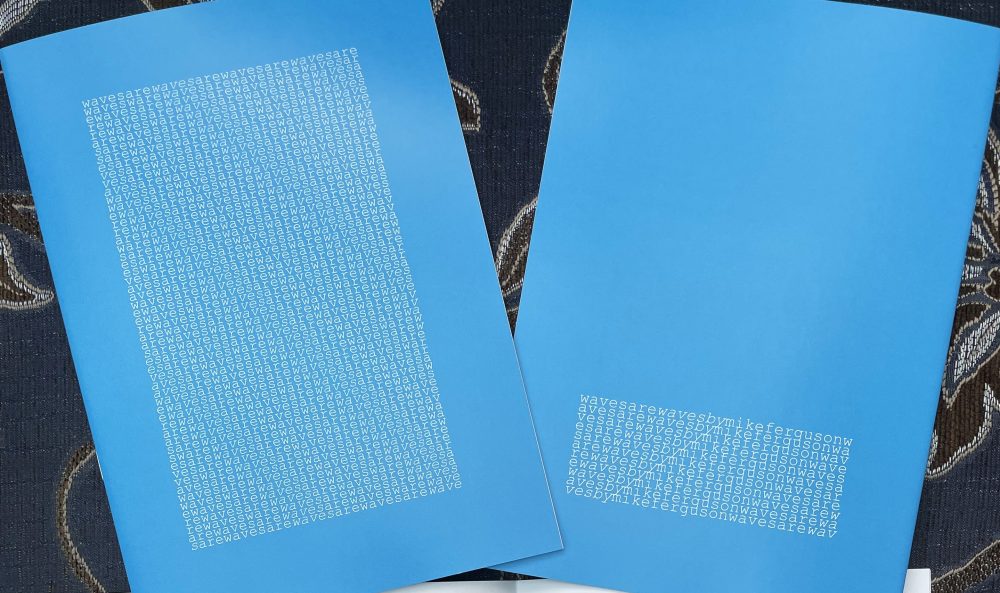
Thank you IT and Rupert for presenting ‘Why Excel’, another from my collection &there4. I can’t stress enough my apprecition for this and other editors of online magazines/journals for posting this work. You can read it here.

With grateful thanks to TAD and especially Samuel for his care and attention to this work and me, as well as the effort put in to preparing for posting on the site. You can read here.

~
~

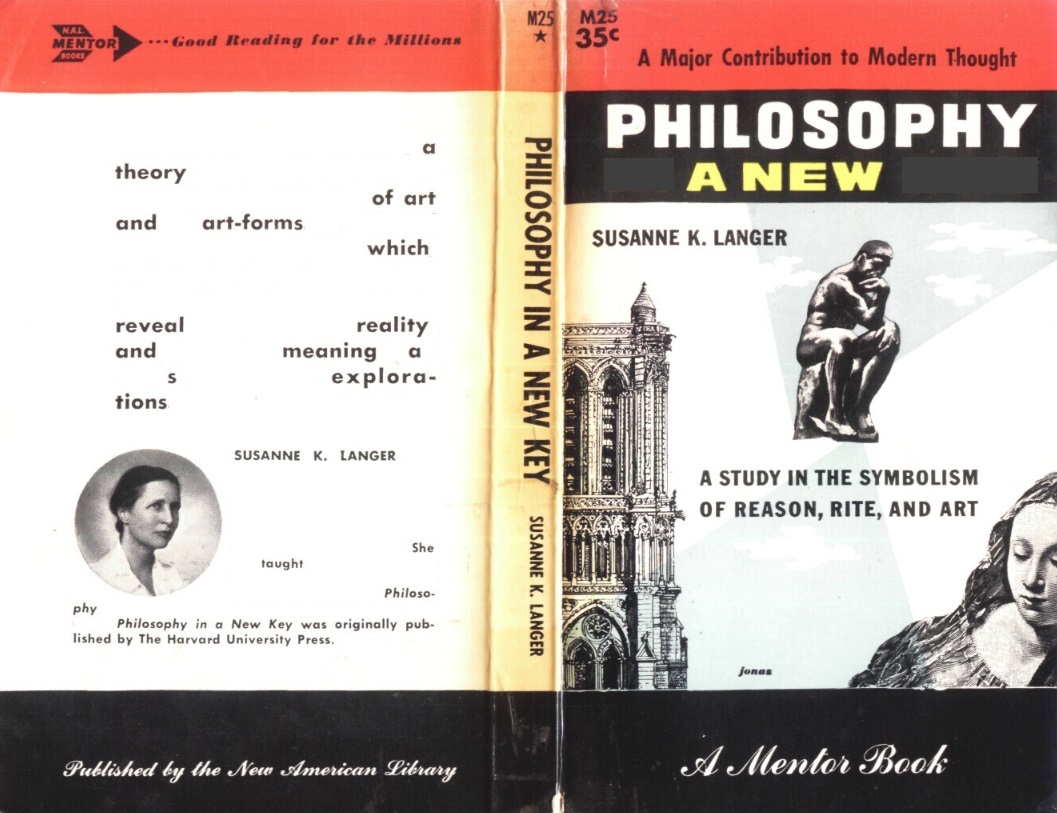
(erasure from Chapter 12: Jacob’s Ladder – Philosophy and Fun of Algebra by Mary Everest Boole)

I’ve been looking forward to James Roome’s follow-on collection from his debut Bull – also with The Red Ceilings Press – which had signalled a distinctive absurdist voice and way of seeing things.
I have not been disappointed.
This too is a visit to the bizarre normalcy of Roome’s poetic world, and there is plenty of playfulness throughout, not least the statistical extrapolations that begin this collection in A study has shown.
But don’t be fooled by the child’s craft-box book cover design. The background colour is clearly a universe on fire, burning a deep and beautiful red. And the crocodile-green is no doubt eco-friendly, but then there is the poetic prevalence of grey*: the grey scales and the grey teeth, sharp and deadly. And the eyes? The sclera is grey too, and we know how they follow and stalk. These are dangerous prose poems snapping at our laugh-or-cry heels as we read, running on to the next disturbing eyeballs of Ms Maytree.
Be prepared for the delightful evacuation.
For more details and to buy, go here.
My review of Bull is here.
*if you’re seeing a hint of blue, you are not paying attention…

‘Existing’ from my found poem sequence &there4 is here today at International Times – with thanks to them and Rupert.

~
When I said Yes, it is a story
I meant it was a helluva story
and I mean just like the way it’s written
because that is how I would have said it,
expressed with that emphasis, rather
than appeared to simply confirm it as
narrative / account / prose – just those
dry bones I had turned into a poem:
a found poem, and the story as prompt,
with recognition of its interest value,
and my corroboration, losing its shared
significance in an email exchange.
Had it been something more meaningful
overall, that kinduv lack of clarity and
engagement can lead to all kinds of (sic)
polarities between the spoken & written.
Youth’s trumpet song,
and though unable to speak,
one can still gander.
Fanfare for
foreign bodies: honk if you’ve heard
this one before.
The sound of a
single baying hound, bereft of
the pack and feathers, and
when little boys swallow,
curiosity kills the goose that lays
a golden vocal.
Call /
Voice /
Sound.
It goes in and out
and in and out and in and out
and in and out:
there are ways
to talk without, but you will
never fly again.
(In 1848, a German physician, Dr Burrow, removed a goose’s larynx from a boy’s throat. It was the fad at that time and place for children to blow through the larynx of a recently killed/slaughtered goose to imitate its sound. Aged 12, the boy had accidently swallowed the larynx in this playing around, and nearly died before it was surgically removed. It is recorded that before the operation, when the boy exhaled – with great difficulty in trying to breathe – he sounded like a goose)
 gravyfromthegazebo