
I can’t remember where I found this and then found this as a poem, but I trust it speaks incomprehensively for itself…
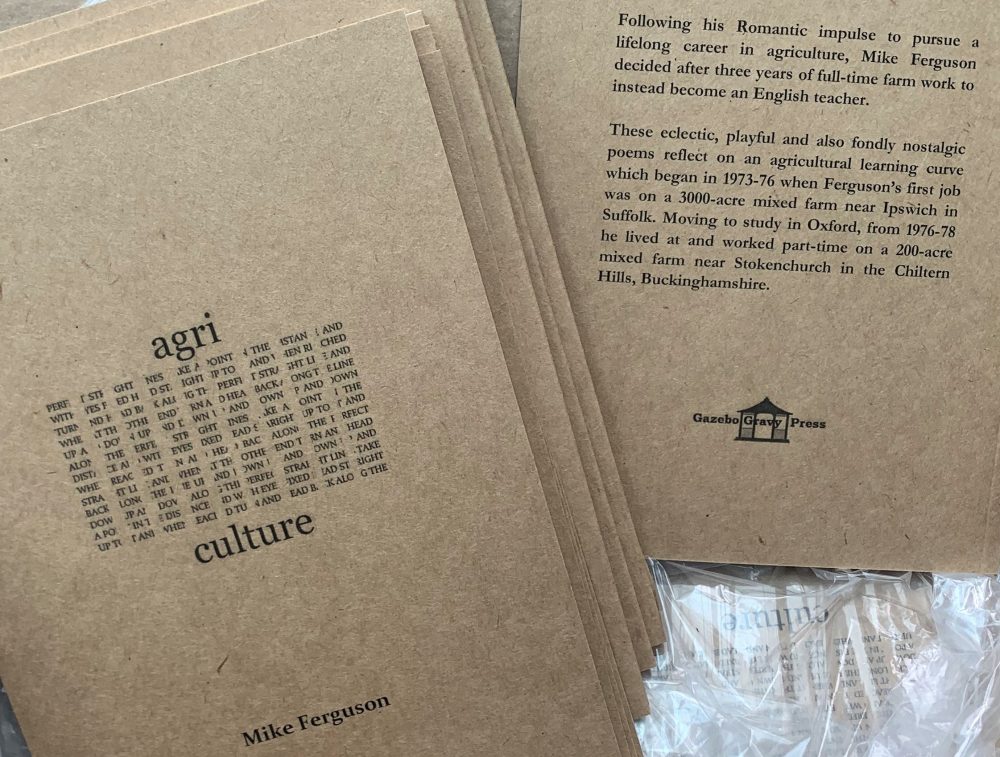
I can’t remember where I found this and then found this as a poem, but I trust it speaks incomprehensively for itself…
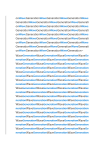
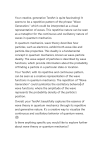
Furthering my early engagement with Microsoft (Word) Copilot, this is the next sequence. Having produced the following TextArt as an exploration of wave function in quantum mechanics (so a mere gesture of representation, and as poetic rather than analytical…), I’ll present that TextArt and then let Copilot speak for itself:
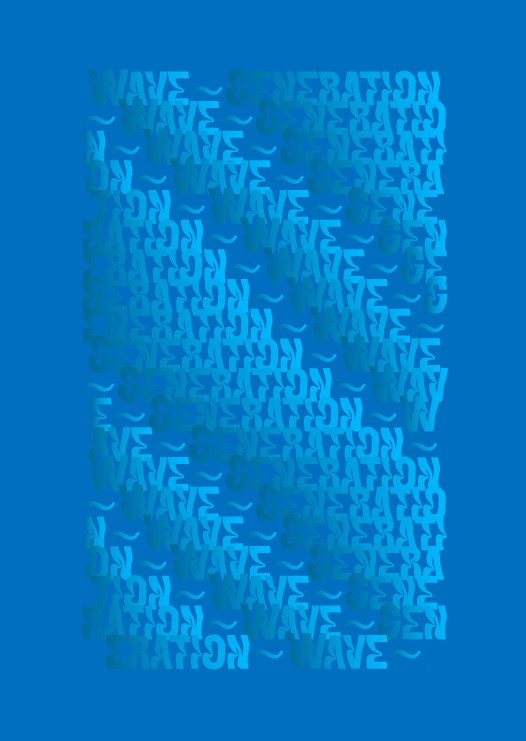
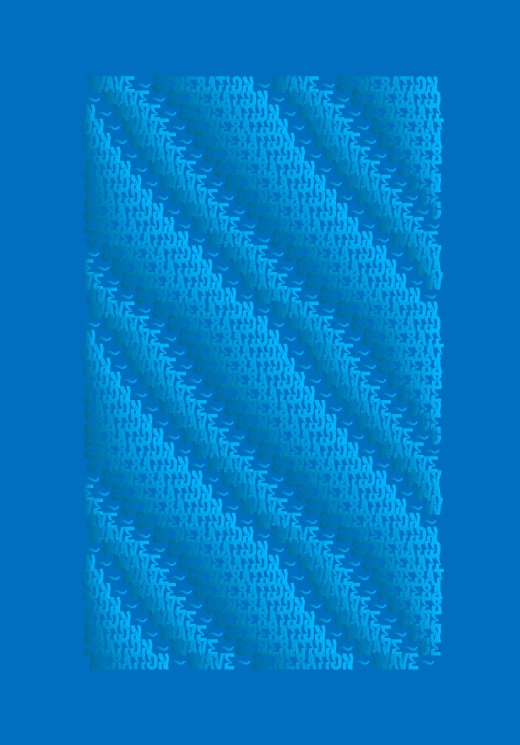

This is the prompt (question) I asked Copilot, and its response,

(Click on first image in the gallery and scroll through)





My thanks to IT and Rupert for posting today. You can read the poem here: https://internationaltimes.it/reverse-brakes/
Dedicated to Valerie who continues to walk where others do not have to tread…
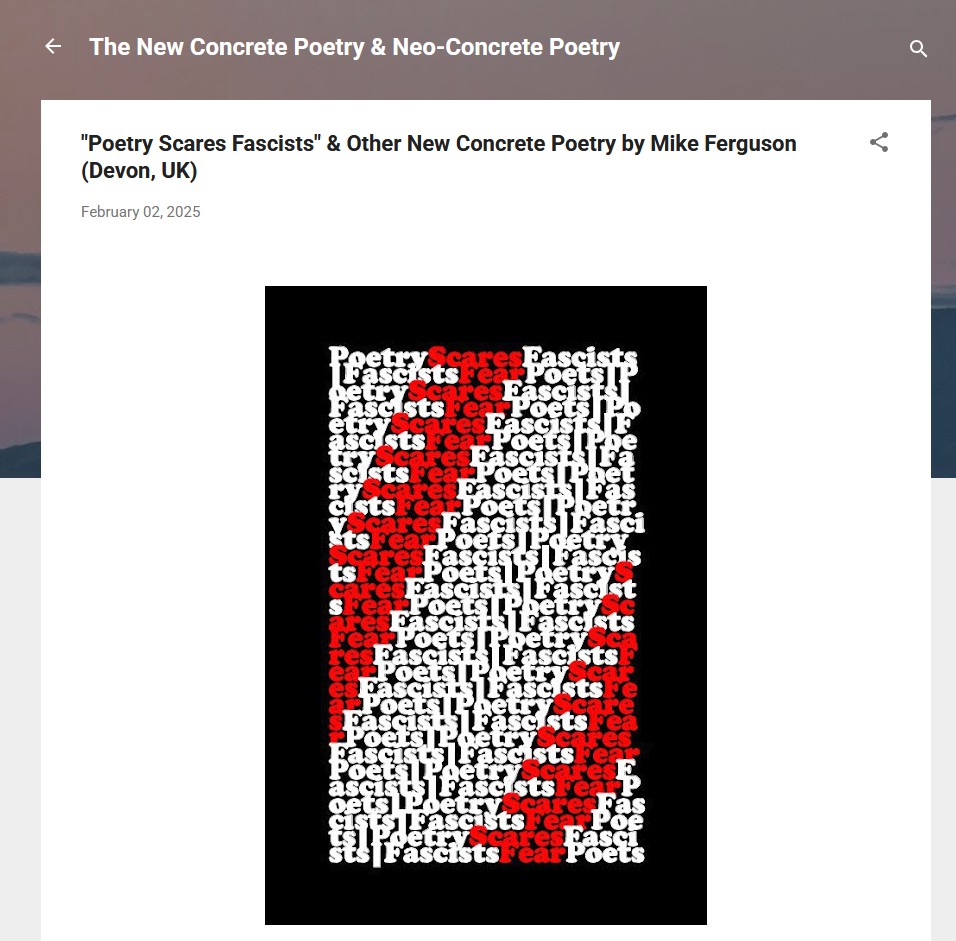
My sincere thanks to De Villo for sharing a snapshot of my concrete poetry on his blog, including a most thoughtful and generous commentary.
You can read his selection of my work here: https://newconcretepoetry.blogspot.com/2025/02/poetry-scares-fascists-other-new.html?spref=tw

Delighted to be with Ranger again – with thanks to David A. Bishop.
Do check out the vibrant range, and you can read my concrete poems here: https://www.rangermagazine.net/ferguson_issue9

Delighted to be a part of the new edition of Streetcake Magazine, a stalwart of presenting experimental writing in the broadest sense.
I have enjoyed so much of the other work, and I do in particular recommend ‘Village Gossips’! Love it…
My thanks to editors Nikki and Trini. You can find and download a pdf copy here: https://www.streetcakemagazine.com/uploads/2/4/7/1/24713274/issue94.pdf
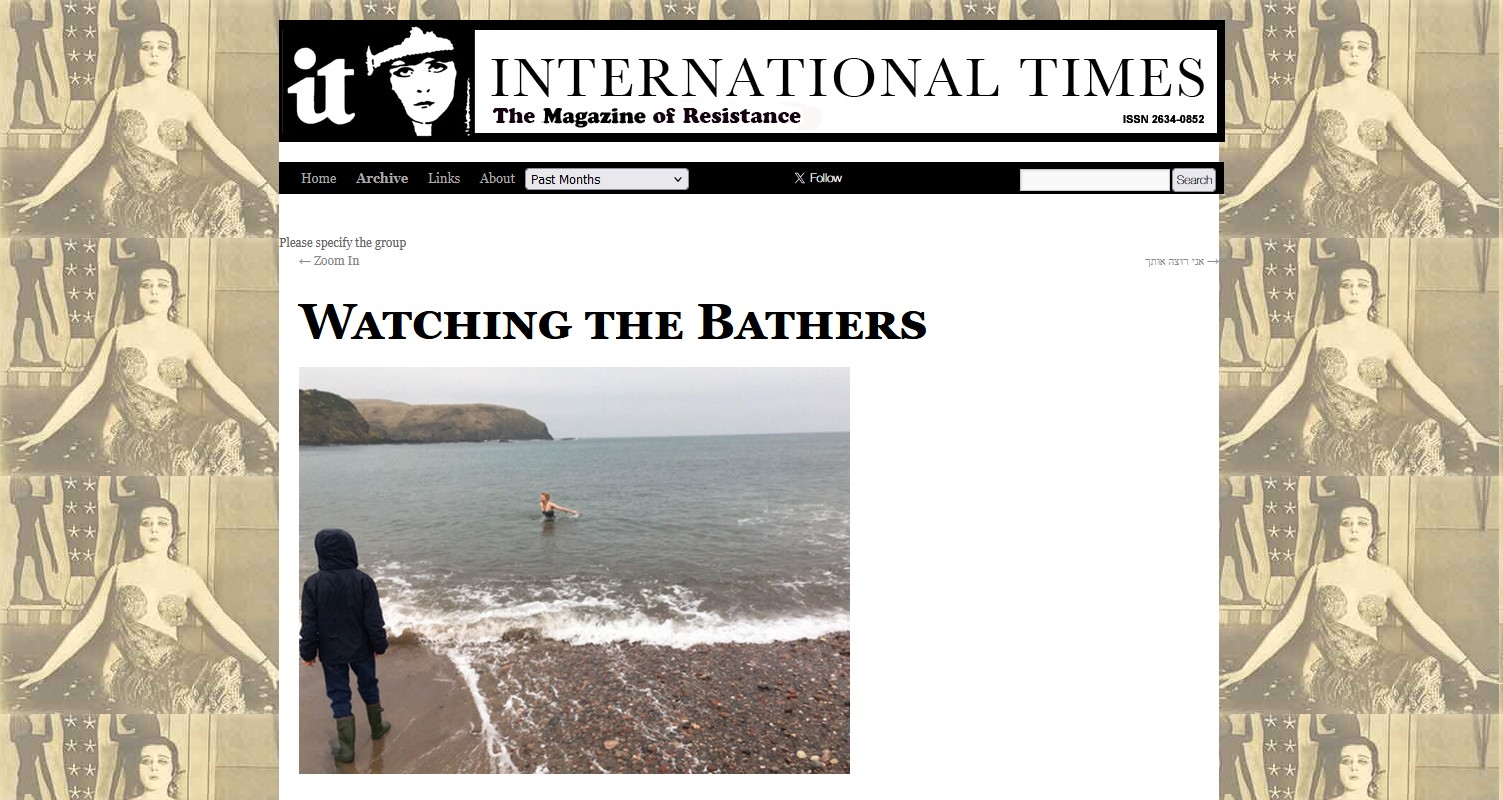
With my thanks to IT and Rupert for posting my poem here today: https://internationaltimes.it/watching-the-bathers/




~ click on image to enlarge and scroll through ~


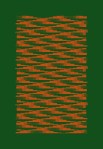


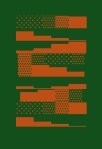
~ click on image to scroll through all ~
I posted the following observation on this blog a few days ago (20.1) with an attached TextArt sequence in response:
‘I recently came across an online video of a classroom video demonstrating an odious direct instruction lesson and the teacher-mantra ‘I say/you say’ followed by the student repetitions with their robotic, choric shouts of this obnoxious rote ‘learning’. Quite disturbing…’
At the time, I also wrote one other poem Instruction Reduction to further reflect my feelings. Those are still as strong, but my post today is exploring on a tangent – though linked – and that is my experience with Microsoft’s new AI ‘Copilot’ which comes with Word.
I also looked at this in another post on this blog (preceding…), and that was mocking my first output from Copilot with a TextArt piece based on the letter ‘z’.
However, in getting Copilot to ‘rewrite’ (respond) to my poem Instruction Reduction, I was immediately impressed with its version. I like the merging of words in its response which conveyed an experimental willingness from the off (the Iyou for I say/you say), but its continuing condensing of my original has for me a creative concision, and the linear format ignoring stanzas drives the poem with a potent simplicity.
A simplicity better than my observations here! I also like the way it ignored my rhyming. Indeed, its closing lines
‘of participating in a chorus
self
diminished’
were such an improvement on my original closing.
Here are respectively my original and Copilot’s version

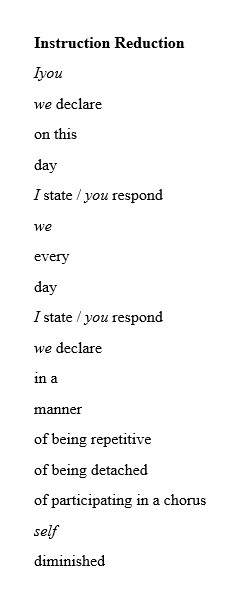
And here’s the ‘dilemma’ about whether/how to use AI in one’s own writing. Up to now, my work with AI/ChatGPT hasn’t found it in any way useful; rather it has been infuriatingly and/or amusingly naff (though its visual poetry responses have been fascinating), so something that has existed outside and beyond my own writing.
This response from Copilot seemed/seems a creative improvement on my original. But I can’t just appropriate it; certainly not call it ‘mine’. That said, I did take its conclusion to prompt the rewriting of mine, as you can see here,

I’m not sure why I have persisted with the rhyme here. It is especially ironic as the most exasperating experience I have had with ChatGPT writing poems has been its insistence on rhyming, even when tasked to compose poems about not rhyming…
I think the Copilot experience is going to be quite demanding: richly and otherwise.
 gravyfromthegazebo