‘Barber Shop’ by Tom Waits

good mornin mr. snip snip snip witchur haircut jus as short as mine
bay rum lucky tiger butch wax cracker jacks shoe shine jaw breaker
magazine racks hangin round the barber shop a side burnin close crop
mornin mr. furgeson what’s the good word witcha been
stayin outa trouble like a good boy should i see you’re still cuttin hair
well i’m still cuttin classes i just couldn’t hep myself
i got a couple of passes to the ringle bros. barn bail circus afternoon
i see you lost a little round the middle and your lookin reel good
sittin on the wagon stead of under the hood
what’s the low down mr. brown heard you boy’s leavin town
i just bought myself a struggle buggy suckers powder blue
throw me over sports page cincinnati’s lookin’ good
always been for pittsburgh lay you 10 to 1
that the pirates get the pennant and the series for their done
you know the hair’s gettin longer and the skirts gettin shorter
you can get a cheaper haircut if you wanna cross the border
now if your mama saw you smokin why she’d kick your ass
put it out you little juvenile and put it out fast
oh if i had a million dollars well what would i do
probly be a barber not a bum like you
still gotchur paper route now that’s just fine
now you can pay me double cause you gypped me last time
you be keepin little circus money and spend it on a girl
know i give the best haircuts in the whole wide world

‘Towards Abbey Road’ by Martin Phillips

IMG_1413

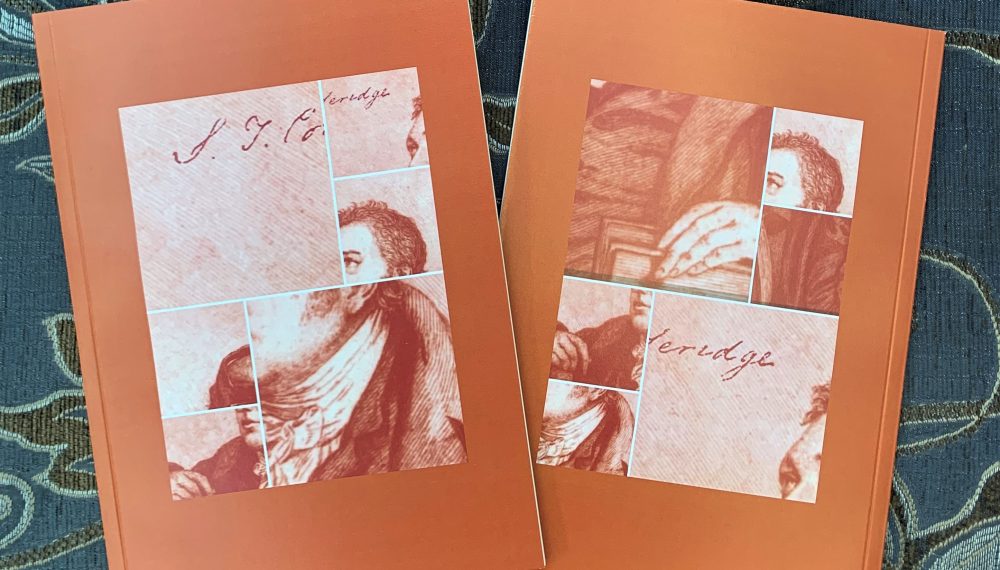
Declaration of interest: (i) I like the Beatles; (ii) I like and know Martin Phillips, having worked with him for many years including co-authoring a book, and appreciating how informed and engaging he can be as a writer, I had the highest expectations of this latest: with ‘Towards Abbey Road’, these have been totally fulfilled.

This is an autobiography – of sorts. That isn’t a caveat: it is of course at the book’s core autobiographical, the chronological release of Beatles albums mapping out the experiences and revelations in the life of a boy growing into a young man. But these observations are constantly informed by broader references to the UK and globally at this time, and all is further reflected through contemporary social, cultural, political and musical realities/events and how these mesh. In doing so there is an obvious appeal to readers who grew up in the same era where shared thoughts and feelings will therefore resonate.

It is through that breadth of illustration and illumination that the contents can and will engage beyond those having lived through it. I think the historical touchstones scattered throughout – quoted within the text and also elaborated a little in a useful appendix – give the anecdotes a footing in the universal. It is an anchoring that pushes the memories past any sense of self-indulgence, not that there is any ‘academic’ attempt to stabilise their individual reveries. I am in danger of complicating what is in essence the conversational integrity of this writing, but I do want to make claim to the book’s appeal as a remembrance that is wise as well as often humorous and consistently honest.

There is also a lyricism at times when Martin reflects on those more recent events and situations in his life which link back to their roots in the newest of their discoveries then, like making lifelong friends at school. When writing poignantly about attending the funeral of one of his closest, he reminds us how the past and the present are intertwined, and the ability to recall and frame this in both anecdote and affecting prose is of lasting value for both him and those who share in reading this book.

Get it here.