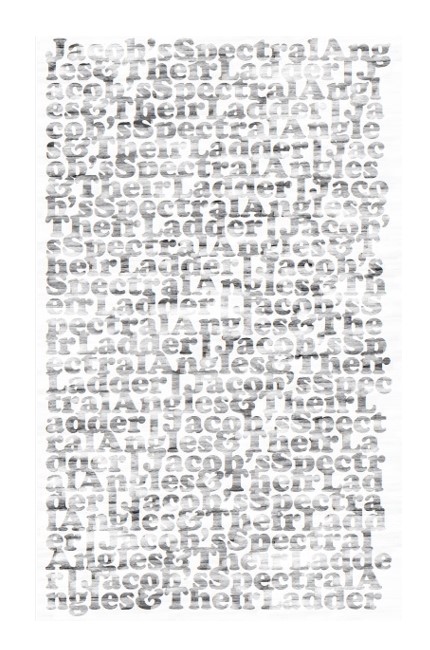
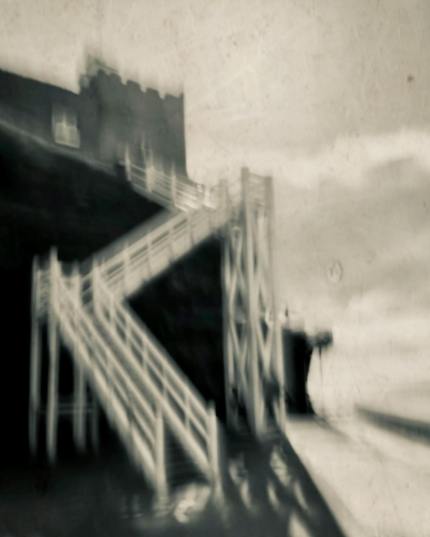
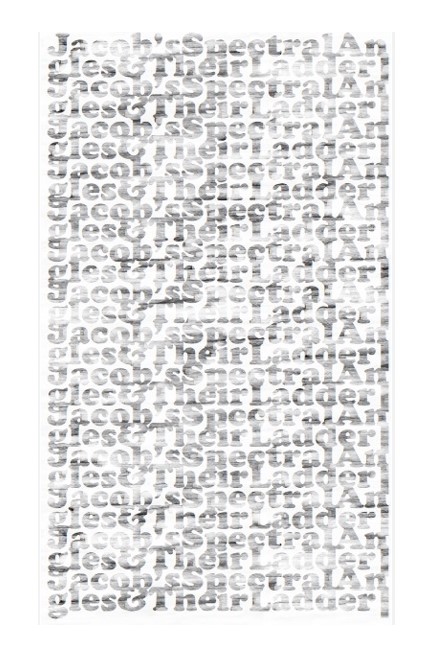
(Image by artist and photographer Nick Dormand: Jacob’s Ladder, Sidmouth, Devon)
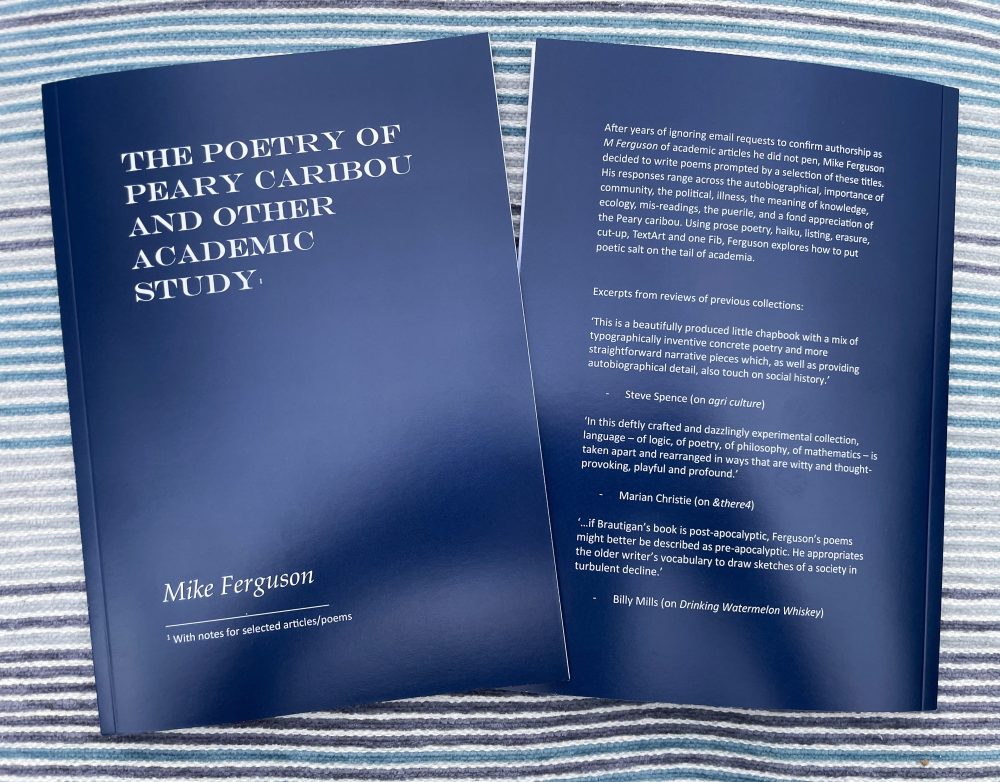
(Image by artist and photographer Nick Dormand: Jacob’s Ladder, Sidmouth, Devon)


~




(images by artist and photographer Nick Dormand)
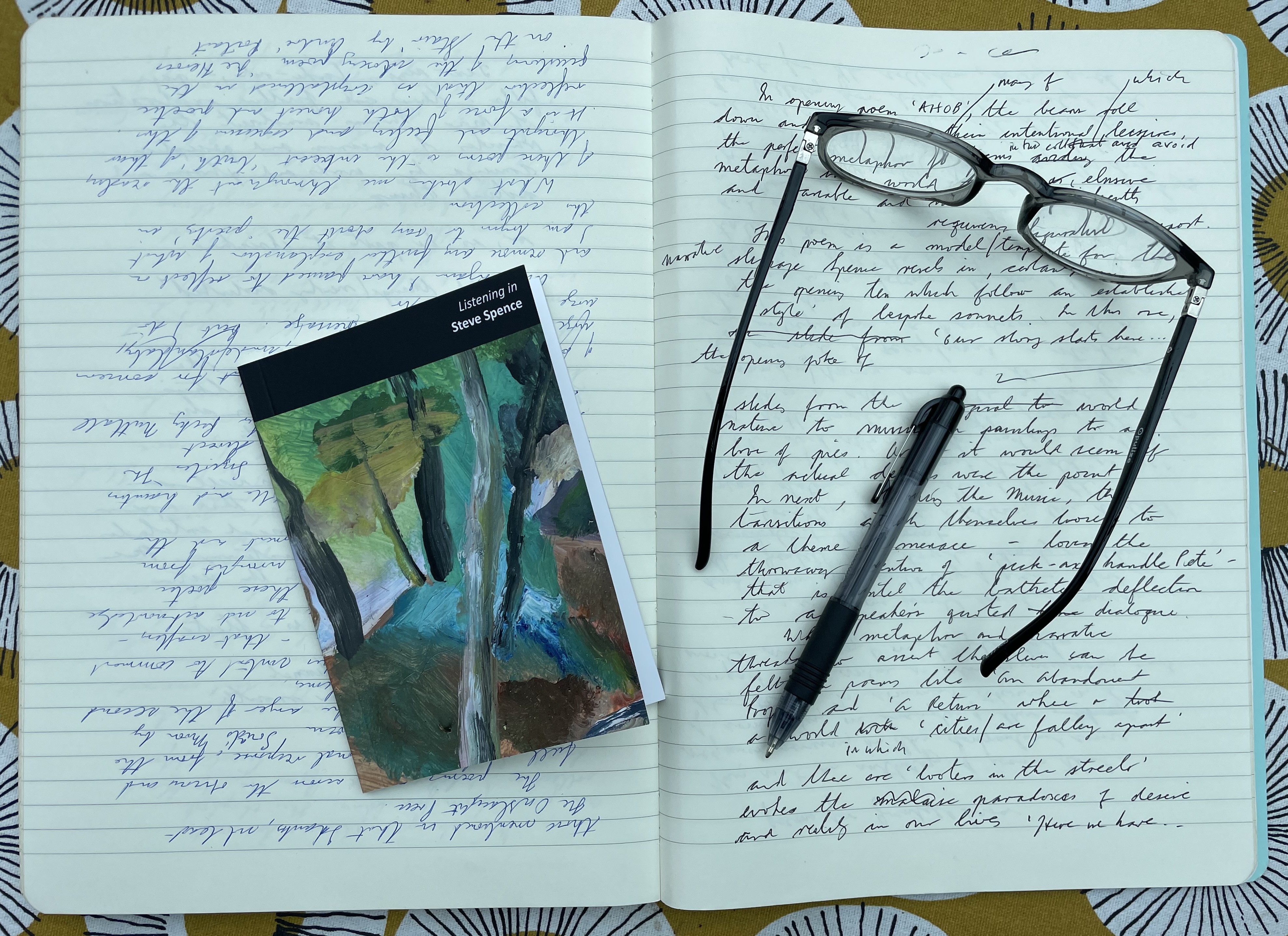
In opening poem A Hill of Beans, these beans roll down and scatter at their intentional leisure, an apt metaphor for exploring a world that is inherently elusive and uncontrollable. It is a model/template for the narrative slippage Steve revels in, certainly in the first ten which follow an established ‘style’ of bespoke Spence-sonnets. The joke of its starting line ‘Our story starts here…’ is in how focus slides from the world of nature to musings on painting to a love of pies. Or so it would seem if the actual details were the point.
In next Choosing the Music, the transitions attach themselves loosely to a theme of menace – with the great throwaway mention of ‘pick-ax-handle Pete’ – until the bathetic deflection to a speaker’s quoted dialogue about ‘insect protein’. It is a shift that baffles and delights, especially in a reader’s expectation of enjoying the rides.
Where the metaphoric and narrative threads do assert themselves can be felt in poems like An Abandoned Project and A Return where observations on a world in which ‘cities/are falling apart’ and there are ‘looters in the streets’ evoke the paradoxes of desire and reality in our lives,
‘…Here we have
an alien landscape but it’s
also an unlikely haven. It’s
time to open the sluice gates.’
In Naming and Classifying – a poem that perfectly encapsulates this collection’s title – we overhear more of the bombardment of disconnected observation and experience in,
‘By and large, in general up the
garden path and just what the
doctor didn’t order. So much for
the sanctity of the war grave. Your mobile phone
service will be restored as soon as possible.’
In a mash-up of the idiomatic, platitudinous, apparent gravity and pacifying service jargon, we are eavesdropping on the hilarious and the disturbing.
Further poems in the collection continue the randomizing in differing patterns and representations. Reading for Pleasure is suggestive and amusing in its brisk journey,
‘Some people have
built careers on
plagiarism yet these
thin ledges look
very precarious
and if we have to
listen to that awful
bondage poem one
more time… . Wherever
you look there is
going to be dust but
if you’re heading out
to sea you’ll need a
bigger boat.’
whereas The Texture Retains has its internal slidings added to by the context of the/a time in which it is read: for example right now it is Gazza,
‘These atrocities have got to stop.
“It’s no longer possible to be in denial,”
he said. All applications are cancelled
but we will be keeping these on file
for the foreseeable future. “These
colour combinations vary from tasteful
and complimentary to confrontational
and garish,” she said. It’s no wonder
they are known for stripping the meat
to the bone. Can you see the blood in
the water? “Once the damage is done
we may not be able to undo it,” he said.
Let us put the puppets away and close
the box.’
This close look could obscure the other more varied playfulness always recurring in these poems, either by design or prompted by our individual engagements. In Standing Idle, a snippet of conversation could be alluding to the poet’s ‘art’,
‘…These analysis programmes of flute-
players are hilarious and it’s always about
seamless transitioning.’
(my italics!)
and in various poems we come across questions about choices, for example from just two: in Seeking Shelter the options are ‘Disraeli Gears or Wheels of Fire?’, and in The Rippling Ground it is ‘Steely Dan or Steel-eye Span?’ so tapping into my generational touchstones (and they aren’t all musical).
Reading as a whole there is the simple pleasure of encountering so many voices and so many known expressions, especially the aphorisms and other casual asides. It is always conversational and thus the ordinariness layers the complexities with a sense of what we all know – or what we all ask and want to know. The repetition she said/he said is both a representation of the overheard and the everyperson so anecdotal as well as potentially apocryphal. Knowing this, we don’t expect resolution or certainty, but always sense the possibility because the process is familiar and ongoing – if not as cleverly defined as in these signature poems .
It is a continuing delight and this Red Ceilings chapbook is a welcome addition to Steve Spence’s poetic dialogue in its distinctive but also broadest sense.
~
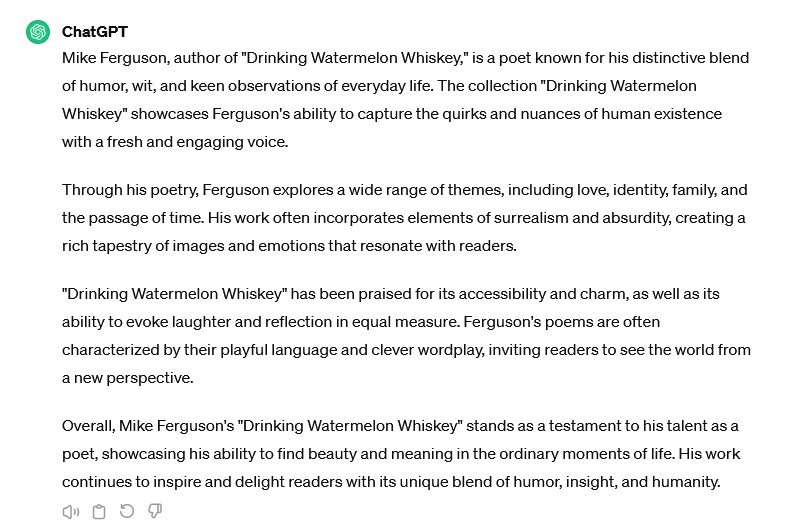
It may have been going on for some time, but I have recently on social media come across one poet asking Artificial Intelligence to create a review of himself as a writer. From comments responding to that post, others have done the same, and perhaps it’s a thing…
Not one to be left out, I decided today to get in touch with my pal Al (or ChatGPT as others know it) who I met originally at the end of 2022. Our initial conversations were frequent and often lengthy (many posted on this site), and I have engaged in both enjoyable and frustrating exchanges since – though lately communication has been rare.
Today’s has been a hoot. Essentially, Al has demonstrated the ancient art of building up and knocking down with ruthless skill. Here is the rise:
And here is the fall:

A masterclass!

~
~
~

