Would like to have written more to share, but this is what I was able to do.
Like many do, ‘review’ tweets are a guick but positive way to express liking and recommendastions, but these are harder to locate and link!
It has arrived

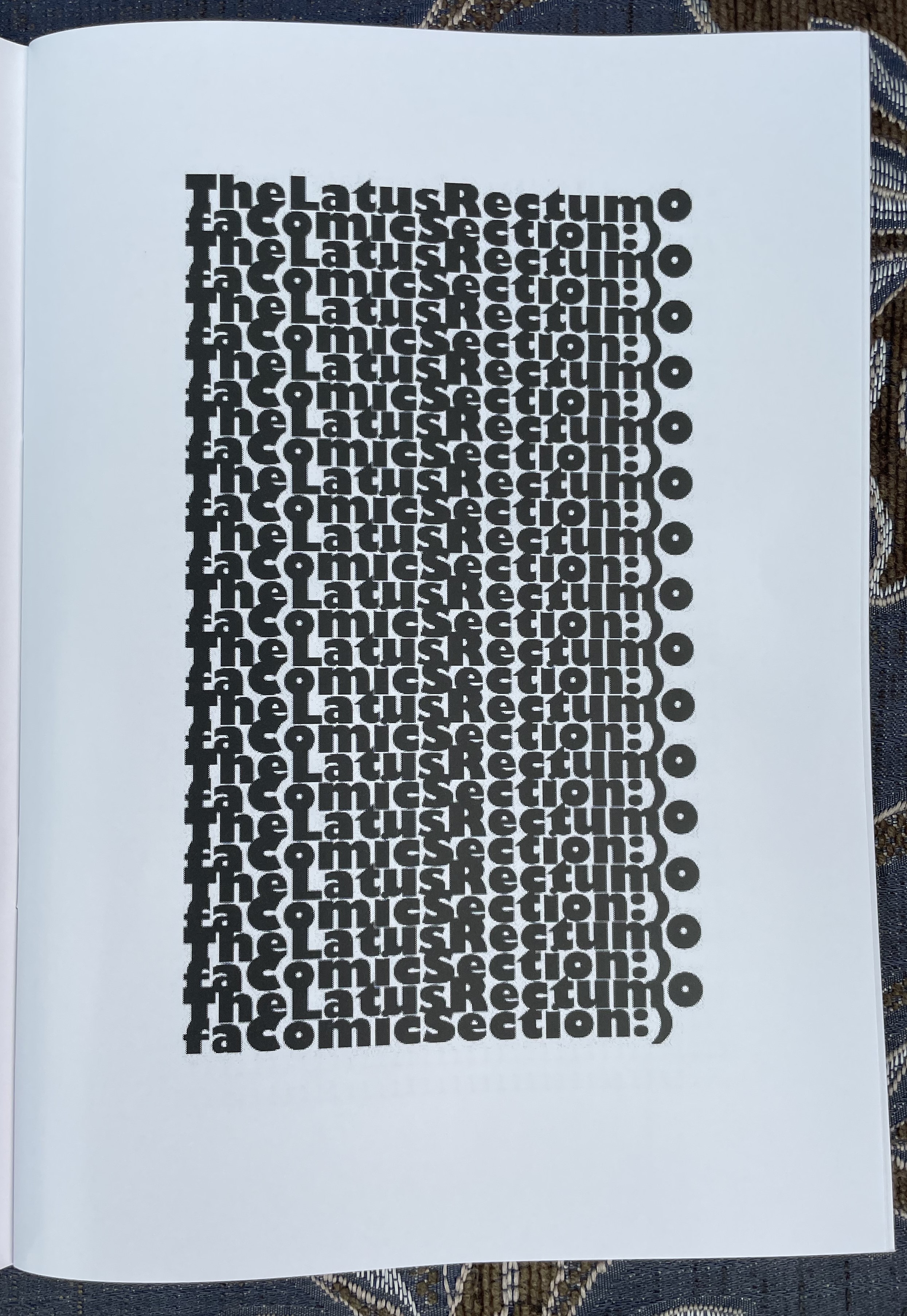
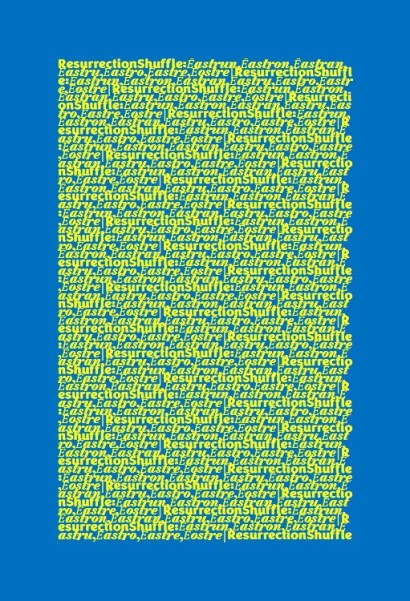
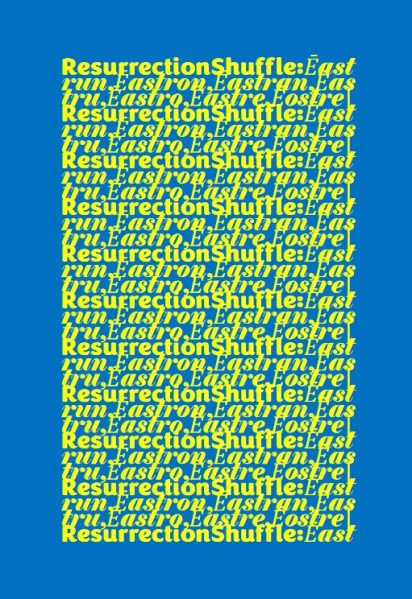
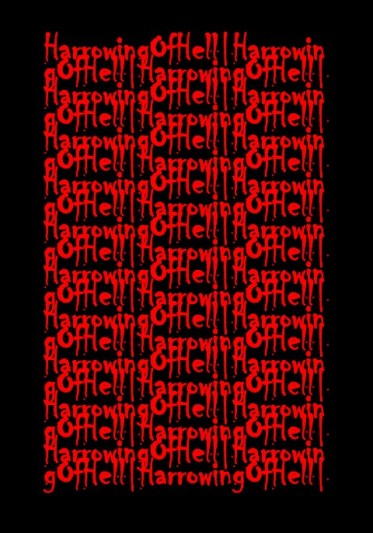
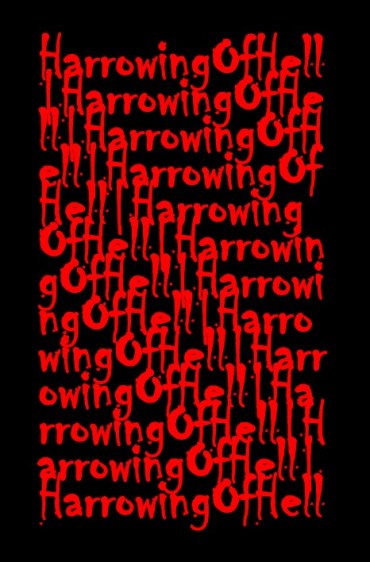
My contribution as a tease behind the booklet and its front cover.
ToCall magazine
is inspired by the last issue of Tlaloc, published in 1970 and edited by Cavan McCarthy.
Each issue features works by international authors, poets or artists focussed on a specific topic.
Following the tradition in Tlaloc magazine the cover is a one-word poem using tocall/tlaloc.
Printed on Gestetner mimeographs in an edition of 100 copies.
Edited and designed by Petra Schulze-Wollgast (psw), published by Plaugolt SatzWechsler (psw).


Truly delighted to be in this edition from this press

It is also wonderful to be with this international range of poets/artists, including those I follow and whose work I know and like, for example Danni Storm and Tom Jenks

You can see more and purchase here: https://pswgallery.tumblr.com/tagged/tocall-magazine

With my thanks to petra schulze-wollgast


~


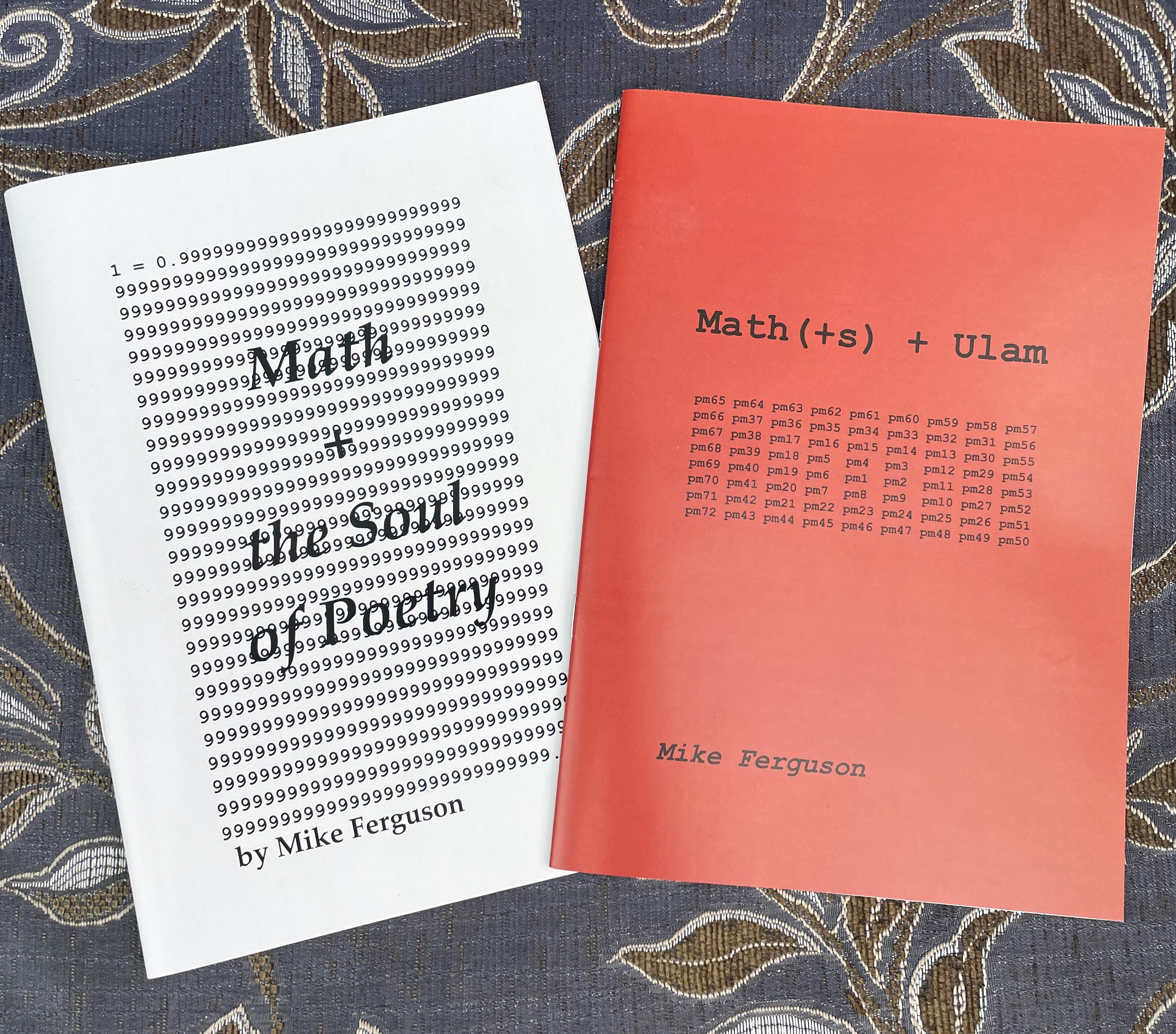
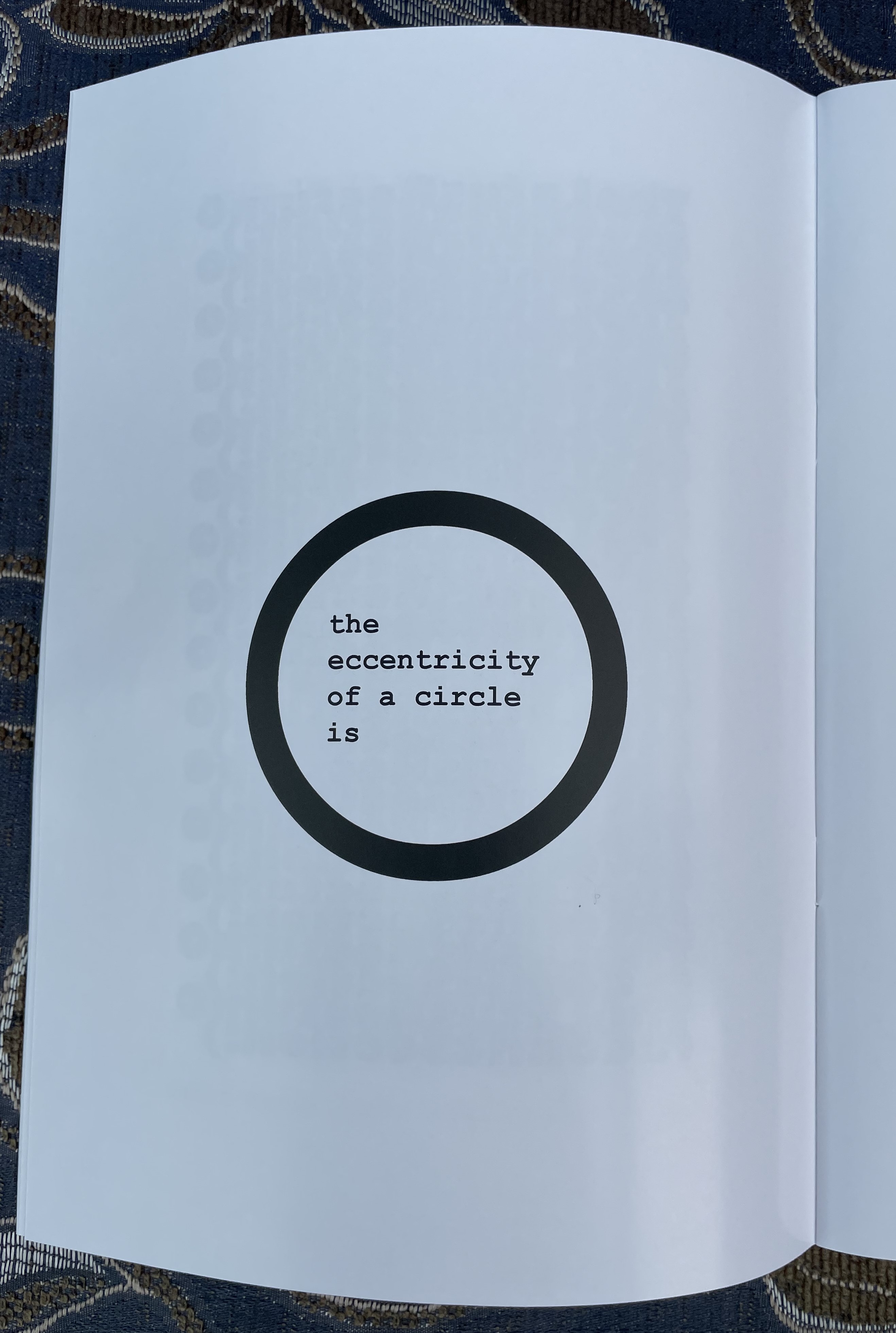
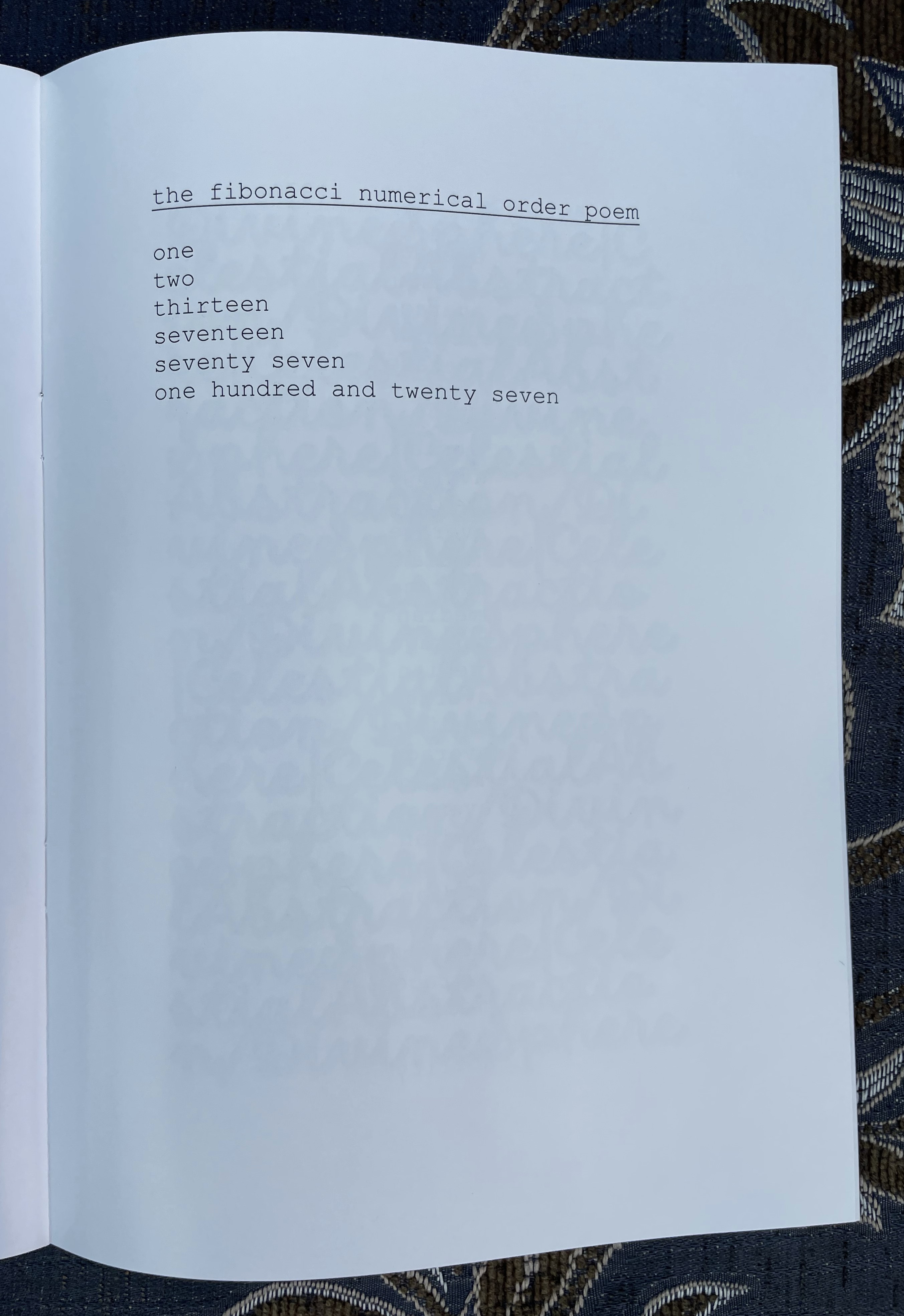
This is a collection of poems with found origins. Beginning then with random and/or staccato constructions, I have over some time worked at them to find more fluency and occasional lyricism; also a format for continuity and a discipline within which to rewrite. I have enjoyed this process of creative transformation.
Some of the individual poems have found homes in that time, and I have self-published the collection with Gazebo Gravy Press. Any interest please contact me (a reply here..) or a DM @omahaglenn. £5 to include UK p+p.
Grateful to be in the warmth of Full House Literary

My poem Trying to Live in This Parentheses of Life is here: various ways to access and view all of this issue’s poems: https://www.fullhouseliterary.com/winter-issue-2023

We could consider that ‘preloved’ is a euphemism for ‘old crap’, but when it’s used as the adjective tautologically introducing an inherent potential for euphemism in ‘metaphors’, we should broaden our expectations. Indeed, as this book’s blurb explains the poems as being ‘an attempt to record, reconfigure and remake the world around us before it disappears for good’, we are escaping the old and new crap of a planet in decline. Like language, memory and truth, nothing can ever be certain, even in trying to remake what we thought might have been.
In the opening, brief list poem ALL THAT MELTS INTO AIR, the recurring caveat is in the ‘We only’ where the repetition qualifies/quantifies our cheating and subterfuge and complicity in an uncertain existence,
‘We only know what we are told.
We only have ourselves to blame.’
Or put another way, a poem-collage A THEOLOGY OF GHOSTS explores the shifting expressions of what is a shifting reality across any moment in time,
‘How quickly imagination
becomes autobiography,
the supernatural soon
accepted and turned
into daytime TV.
Who keeps check on
the deep end and why?’
In the sands of this shifting, our response is to cope as best we can with the anxiety, starting with an acknowledgement. The poem BROKEN is headed by an Ashbery quote from The Problem of Anxiety, and its middle stanza asks,
‘Some things never make sense,
remain feedback loops of the noise
now. Ought I to know all these
languages Pound thinks I should?’
Anxiety is personal and endemic and comes in all shapes and sizes ‘just as sure as eggs is eggs’ (DEPTH PERCEPTION). Earlier in this poem, the apparent lightness of the cliched line just quoted is prefaced with something deeper,
‘It’s a risky thesis to suggest
that creative spirit comes out
of oppression, but in this case
it did, resisting the decline,
occupying a space that no-one
would otherwise have thought
of.’
This is the balancing act of the poems in this collection – their light and dark, never forgetting
‘It’s easy to underestimate
how comedy and satire remain
enmeshed in the controversy
of our endlessly awkward lives.’ (FOUND AND ENABLED)
That I can construct a review-thesis from what I choose to select – which may or may not be an act of ignoring/avoidance – is also risky but equally dynamic (within the context of being a review!).
PURGE is a beautiful poem about beauty, and is beautifully placed in a collection that may appear to ignore this but actually embraces. Here it is in full,
‘Beauty is not grimaces and fortuitous gestures,
is more essential and serene, prefigures enthusiasm
for the rigours of expeditions on summer nights.
There is no hierarchy of beauty, it must be dissociated
from the dazzle of crystal or the way clouds hang
in the sky above the marble sea. Blue moonlight
and the scent of flowers momentarily persuade us;
the light dips, flickers over the horizon, the sound
of waves fills the wind. These are halcyon days.
Beauty is not grimaces and fortuitous gestures,
is more essential, we need it just to be there.
Soon you will know everything about endings.’
The collection doesn’t end with this, but I have.
Is this a remaking?
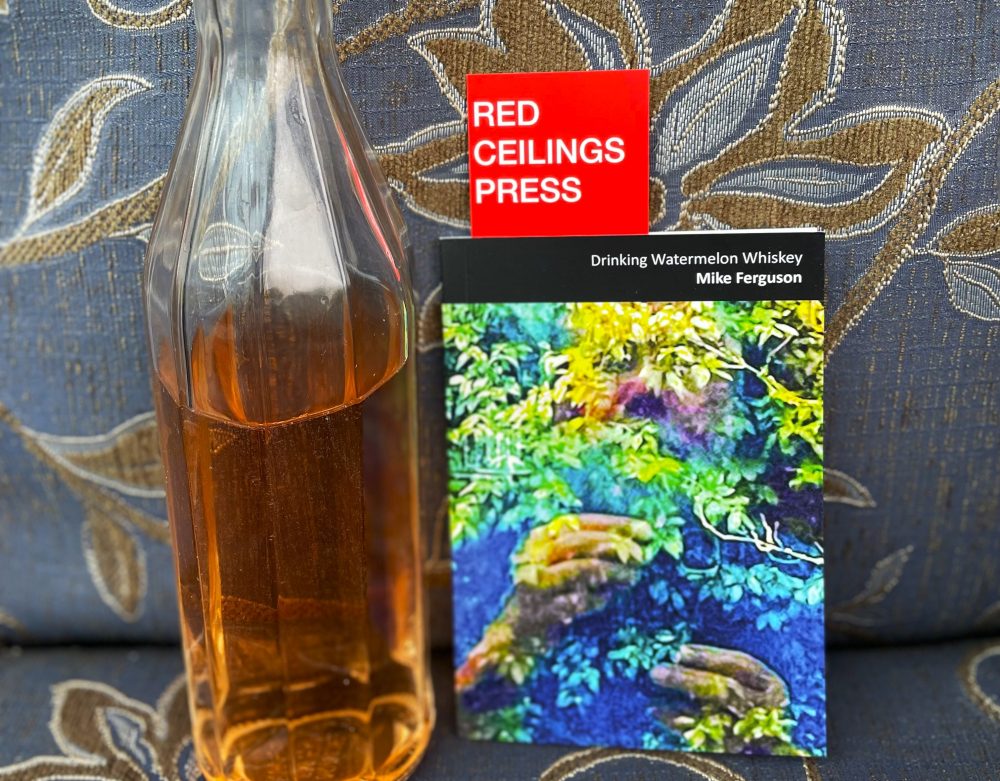
You decide. You can get Preloved Metaphors from the superb Red Ceilings Press here: https://www.theredceilingspress.co.uk/product-page/preloved-metaphors-rupert-m-loydell