
~
~
When I said Yes, it is a story
I meant it was a helluva story
and I mean just like the way it’s written
because that is how I would have said it,
expressed with that emphasis, rather
than appeared to simply confirm it as
narrative / account / prose – just those
dry bones I had turned into a poem:
a found poem, and the story as prompt,
with recognition of its interest value,
and my corroboration, losing its shared
significance in an email exchange.
Had it been something more meaningful
overall, that kinduv lack of clarity and
engagement can lead to all kinds of (sic)
polarities between the spoken & written.
Youth’s trumpet song,
and though unable to speak,
one can still gander.
Fanfare for
foreign bodies: honk if you’ve heard
this one before.
The sound of a
single baying hound, bereft of
the pack and feathers, and
when little boys swallow,
curiosity kills the goose that lays
a golden vocal.
Call /
Voice /
Sound.
It goes in and out
and in and out and in and out
and in and out:
there are ways
to talk without, but you will
never fly again.
(In 1848, a German physician, Dr Burrow, removed a goose’s larynx from a boy’s throat. It was the fad at that time and place for children to blow through the larynx of a recently killed/slaughtered goose to imitate its sound. Aged 12, the boy had accidently swallowed the larynx in this playing around, and nearly died before it was surgically removed. It is recorded that before the operation, when the boy exhaled – with great difficulty in trying to breathe – he sounded like a goose)
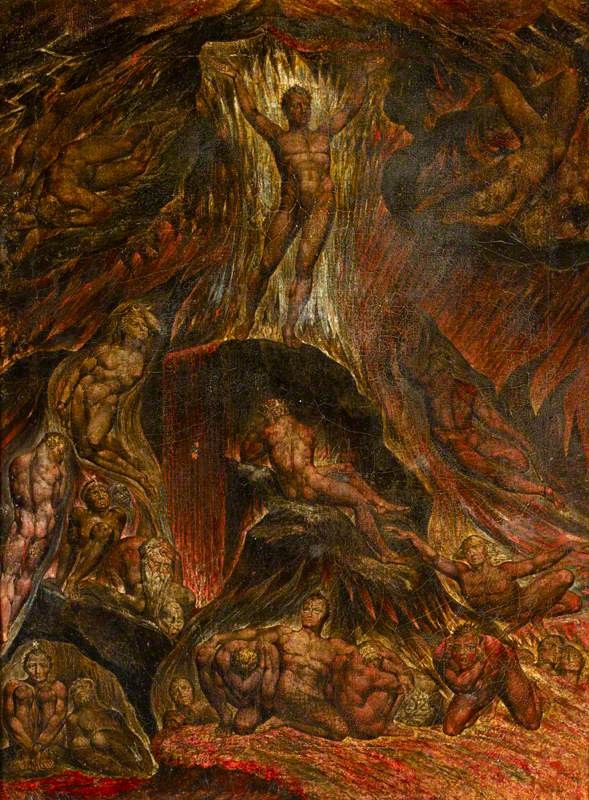
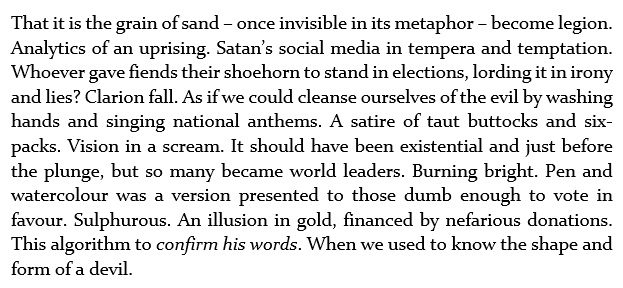
~ Satan Calling Up His Legions – 1805-1809, by William Blake

The Red Ceilings Press chapbooks are delightful things (with an admission of interest, having the pleasure of being previously published by them, but also collecting and reading many): they are usually, though not always, quick reads; being focused, they are immediate/impacting – although as Ian McMillan observes in his back-cover blurb for this one from Seed, ‘Here is simplicity that, the harder you look at it, becomes endless and profound.’
They can be read in a moment, as I did today: before going out for a walk, the post arrived with ‘I Remember’ which set up expectations, and on my return I sat in the garden and read these autobiographical snapshots in a perfect pause from all else.
The poems are split into two sections, each using the ‘I remember’ list poem device – or whatever you want to call it – and the repetitions build in their collective reminiscences. The first section is autobiographical across time, recalling childhood experiences as well as growing up and beyond. They are candid, at times suggestive rather than stated, and are familiar and surprising so also relatable and engaging. I won’t quote because they should be read in that whole moment, but I like the yearning for sideburns and the recall of being read extracts from a pulp crime novel. And of course, Elvis gets a mention.
The second section is about a special friendship – In Memoriam Gerald – and this is perhaps more expansive about Seed’s life as writer and other lifelong shapings, and it is affecting as well as poignant.
I don’t know that these were written in lockdown (note: since writing I have found out they weren’t, though my following point remains one I want to state), but I do know this has been a period where many will have had the time and need to reflect on their own lives, finding how personal re-discovering makes sense of the isolations, and taking a different kind of communion in exploring one’s own thoughts internally as well as sharing with others. That’s what I suggest readers can and will take from this.
And if I leave it there I am being faithful to the simple spirit of this fine collection, which I do recommend. You can read more details and get it here.
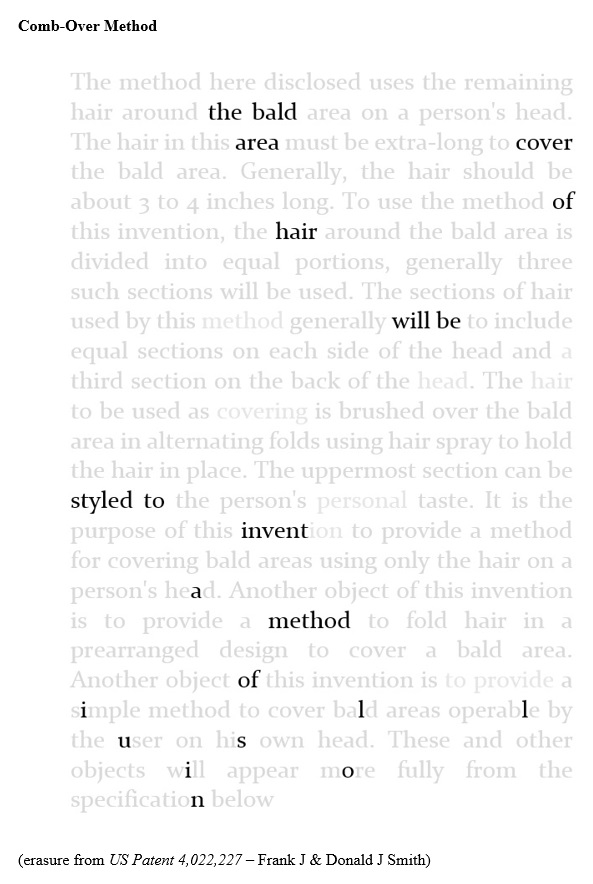
Delighted to have poems from my found poem collection &there4 here at the Beir Bua Journal – with my grateful thanks to Michelle.
~
Finding France, If Not the Language
Running my school’s French exchange was a social and geographical success: taking students and then family there introduced me to people and places in a lasting monolingual love-affair. I’d visited Paris on the educational exchange, journeying up the River Seine with pupils, but I got to the top of the Eiffel Tower with my girls – our trip to the Hard Rock Café another kind of pilgrimage where Conway Twitty’s white suit make-believed behind showcase glass. And I wasn’t after cheesburgers: when the Calvados was poured on that crêpe and torched until its edges charred, alcohol transcended flame to burn in my throat at a Honfleur restaurant where I wanted to eat outside as a busker sang Marvin Gaye. On Omaha Beach, sand was driven by wind and rain with the shoreline deserted and the otherwise quietness undisturbed. A cold chill pushed me towards that large engraved memorial stone to remind of my other home like a double chord played in the head, as if this should somehow harmonise and remind of those both living and dead. It was the very first school exchange which introduced me to Caen and Normandy, and the significance of the Second World War to those living there then and now. Visiting as part of The 10 Cities project organised by Devon Curriculum Advice and supported by a Euro budget, we took a small group of students for the educational experience and to make a film – all those made made in each city/country involved to be beamed to EU member states via the Olympus satellite. The Mémorial de Caen was a first introduction for me as well as our students to a profound meaningfulness of the horrors that took place there, and of course beyond – its flat expanse of concrete fronting the building like a Normandy plain where ghosts coloured the huge rectangle a faded headstone. This was considerably reinforced when we went to Pegasus (Bénouville) Bridge, hoping to film in the area, this the site of the first combat of the D-Day Invasion. It was there at the Café where we met its proprietor Arlette Gondrée – aged five at the time of the fight to secure the bridge – and asked if we could film in the surrounds. She informed us that no one was ever allowed to do this in her café, but learning a little about who we were and of our project she said she’d make an exception and we filmed a short segment inside, talking briefly with her. This is where the students and I learned of the deep sense of thankfulness there is for the liberation of that bridge, Madame conveying such with a palpable passion for my British students. I have never forgotten this moment, her sentiment asserting its message of empathy and belonging whenever I have heard warring charlatans intoning ‘sovereignty’ in their little-England narratives about Brexit.
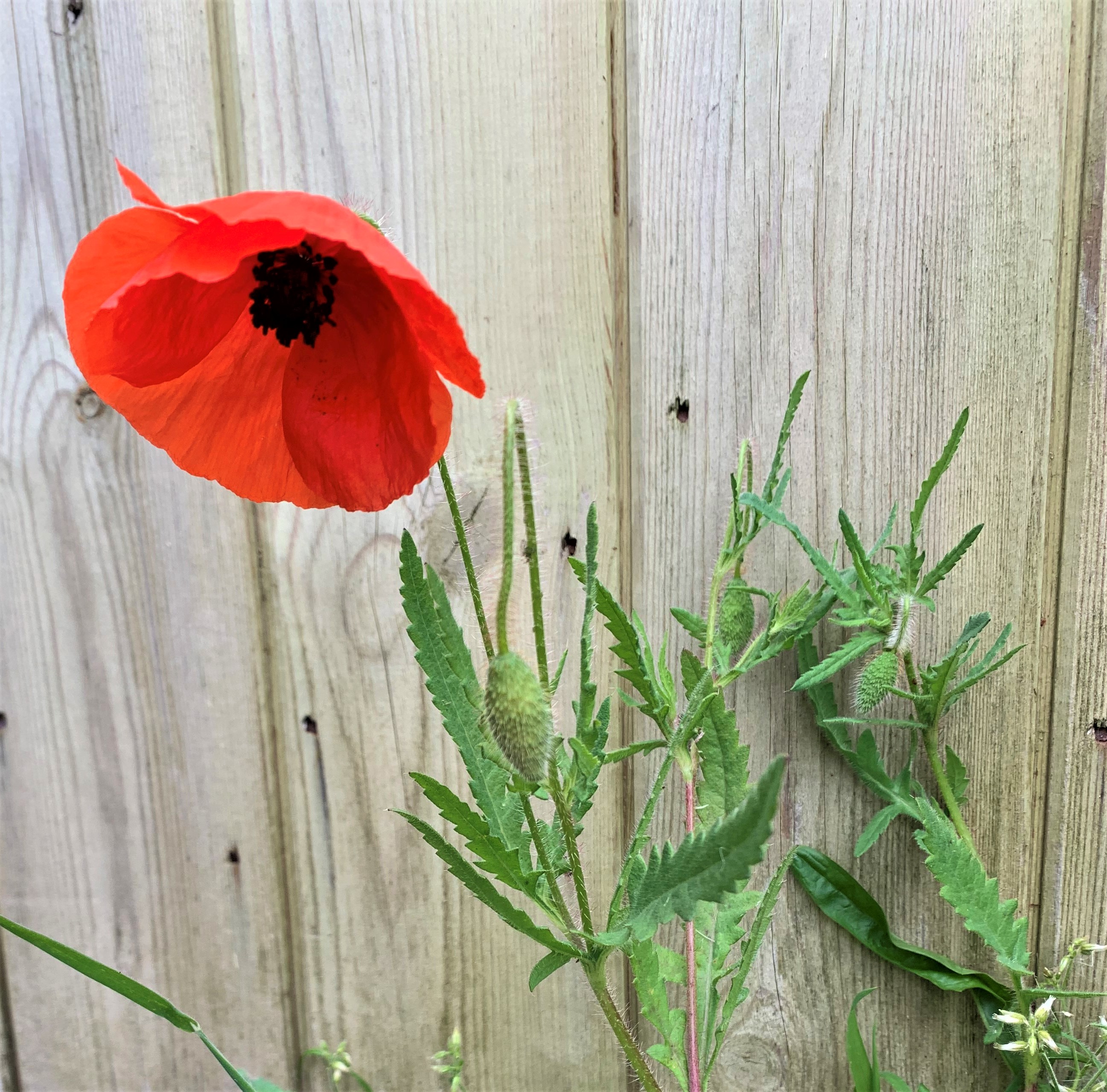
(I hadn’t noticed the lone poppy outside the gate yesterday: the 6th June and the 77th anniversary of the D-Day landings at Normandy. The above expresses my feelings about this history and comes from my memoir, soon to be released)
~
For Bob’s 80th, rather than write anew, I think this says it all from me and my engagement with his music and poetry:
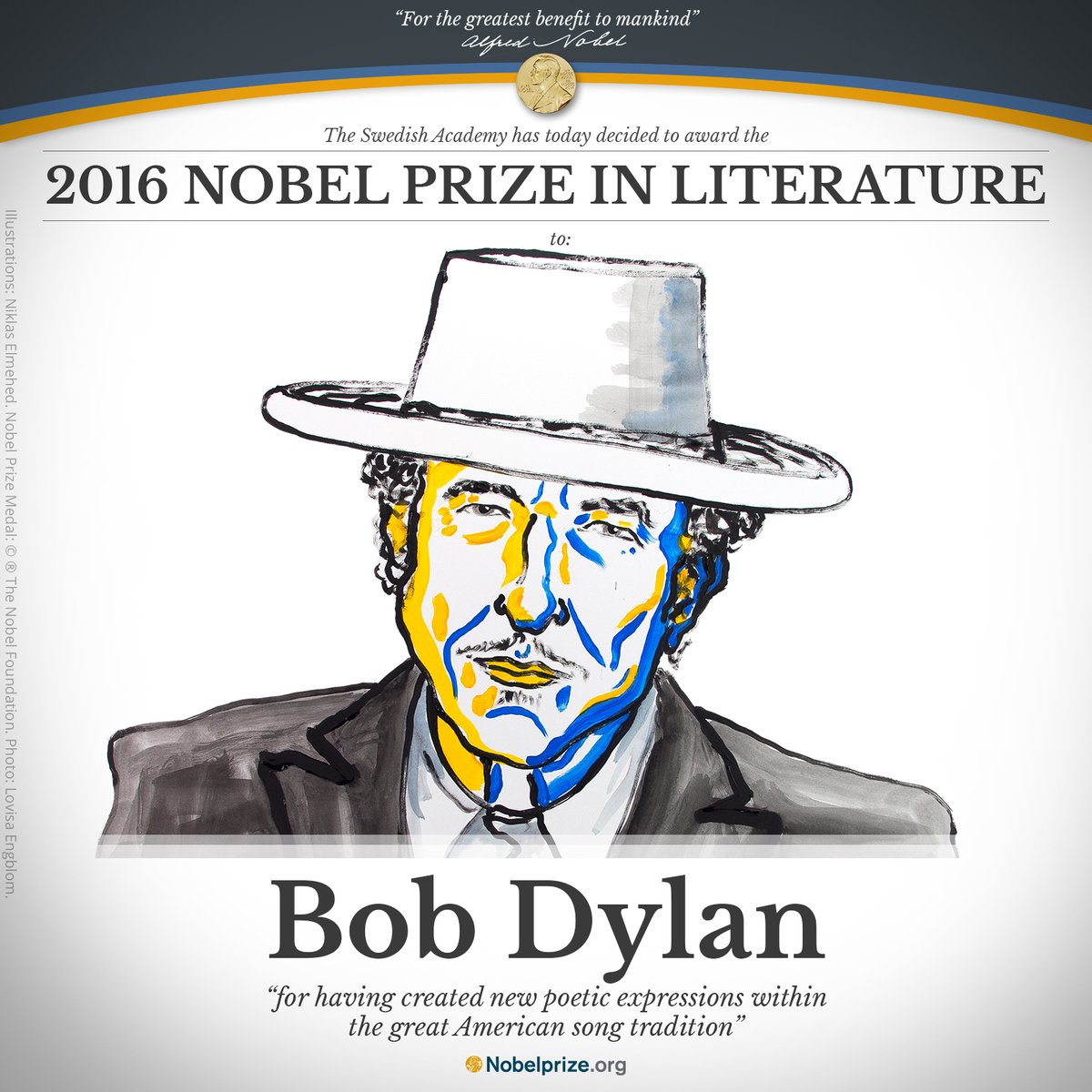
Announced today, I am delighted to see Dylan’s lyrics given the literary recognition they deserve, and by extrapolation, an appreciation of the poetry of many others’ lyrics.
There’s storytelling too, and whilst I could have selected a more obvious example of this from Dylan, I have chosen Sara because it is probably my favourite song of his:
I laid on a dune I looked at the sky
When the children were babies and played on the beach
You came up behind me, I saw you go by
You were always so close and still within reach.
Sara, Sara
Whatever made you want to change your mind
Sara, Sara
So easy to look at, so hard to define.
I can still see them playing with their pails in the sand
They run to the water their buckets to fill
I can still see the shells falling out of their hands
As…
View original post 1,193 more words

 gravyfromthegazebo