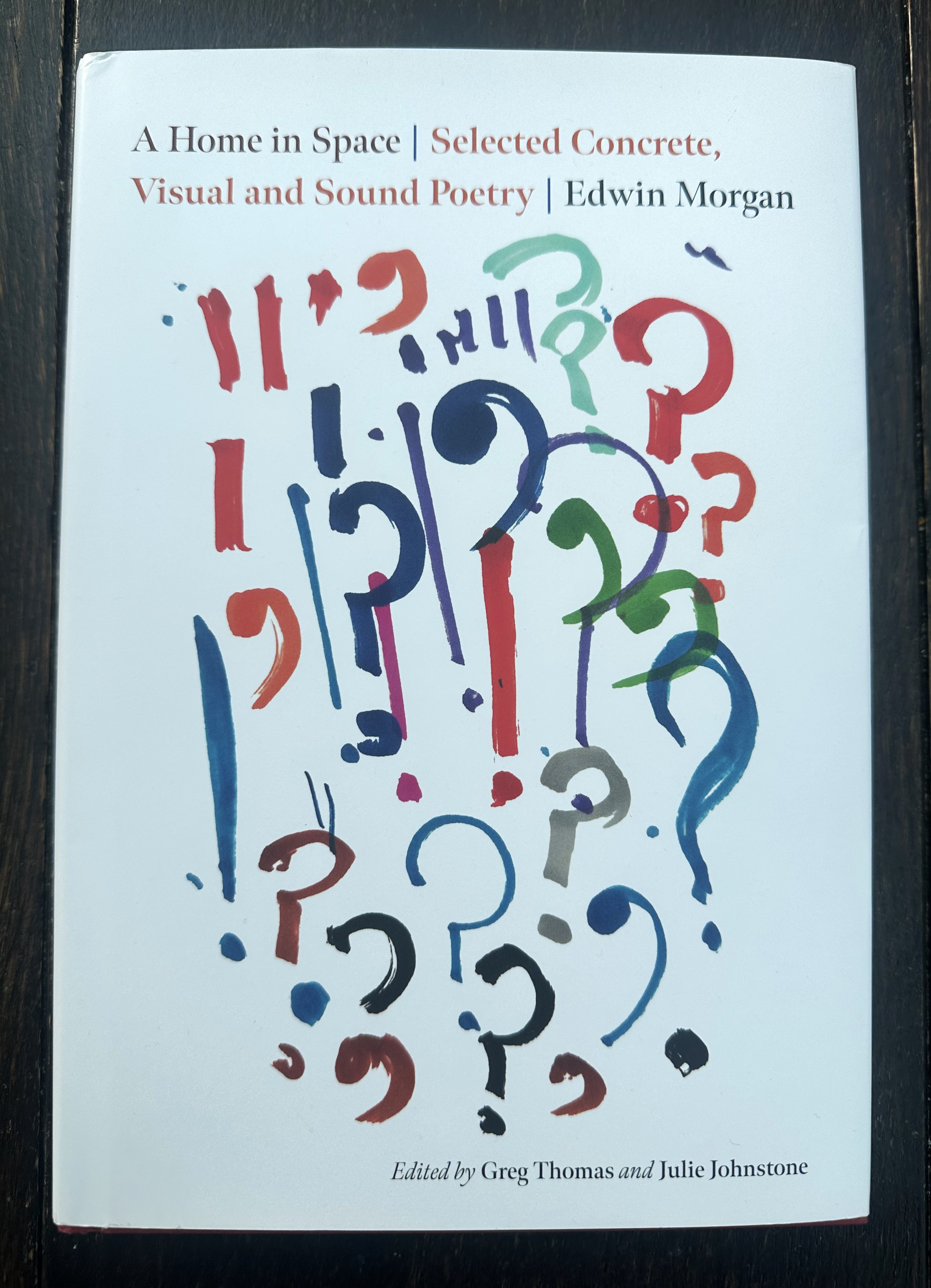
This is an expansive, informed, enthusiastic and wonderfully illustrated book of Edwin Morgan’s extensive array of concrete, visual and sound poetry. Edited by the writer, critic, poet and artist Greg Thomas and the artist, curator, editor and publisher Julie Johnstone, both are based in Scotland, respectively Glasgow and Edinburgh.
In Thomas’ Introduction he tells us of Morgan’s six decades as a writer/artist, starting as a lyric poet whilst ‘simultaneously creating Surrealist-influenced scrapbooks of collaged word and image’, going on to explore in rich detail the trajectory and depths of this. I like the summation on the meaning of this breadth as ‘a kind of egalitarian curiosity of play’.
A further elaboration is proclaimed by how both editors believe Morgan was ‘a poet for whom trust in poetic instinct and thrillingly technical experiment were mutually dependent forces, locked in a fruitful push and pull’. This culminates in a concluding abstract that ‘Morgan was a poet, first and foremost, and his meaningful legacy is in poetry and its intersections with other art forms’.
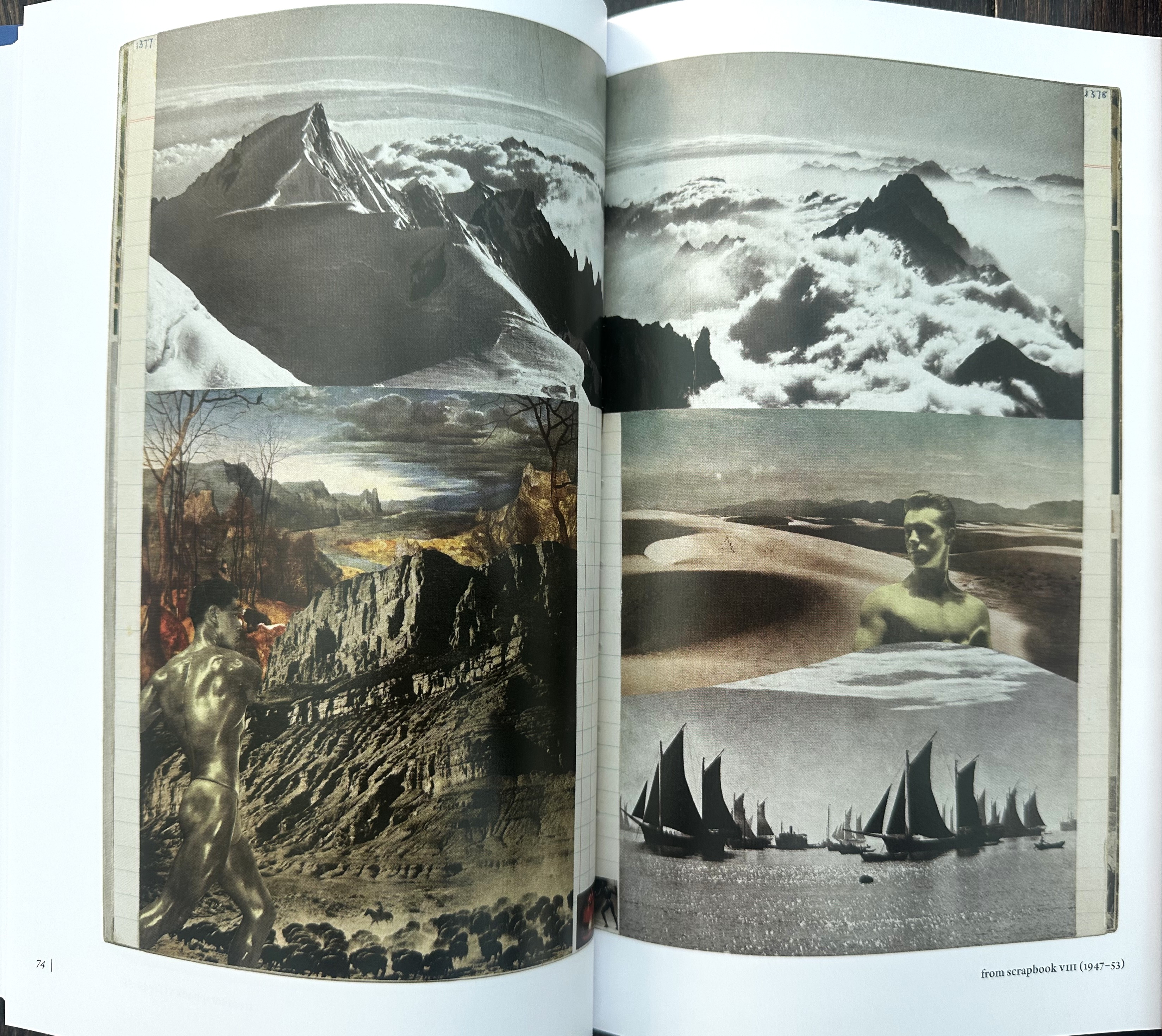
The enthusiasm, delight and certainties in these expressions set the reader up for an expansive content to follow, especially the abundant illustration of this phenomenal range of work. It is contained in the following seven chapters/sections, beginning with full colour excepts from Morgan’s Scrapbooks. My favourite is chapter 2 Verbivocovisual: Concrete Poetry in the 1960s with background information on Morgan’s introduction to this literary form.
In posting this review today (it has previously appeared in International Times) I wanted to suggest this book would make a wonderful Christmas present, being so visual but also substantive, and I say this NOT as someone usually inclined to mention the festive present syndrome so early… Having done so, however, here is the perfect concrete poem from its section, and one of Morgan’s most familiar/popular,
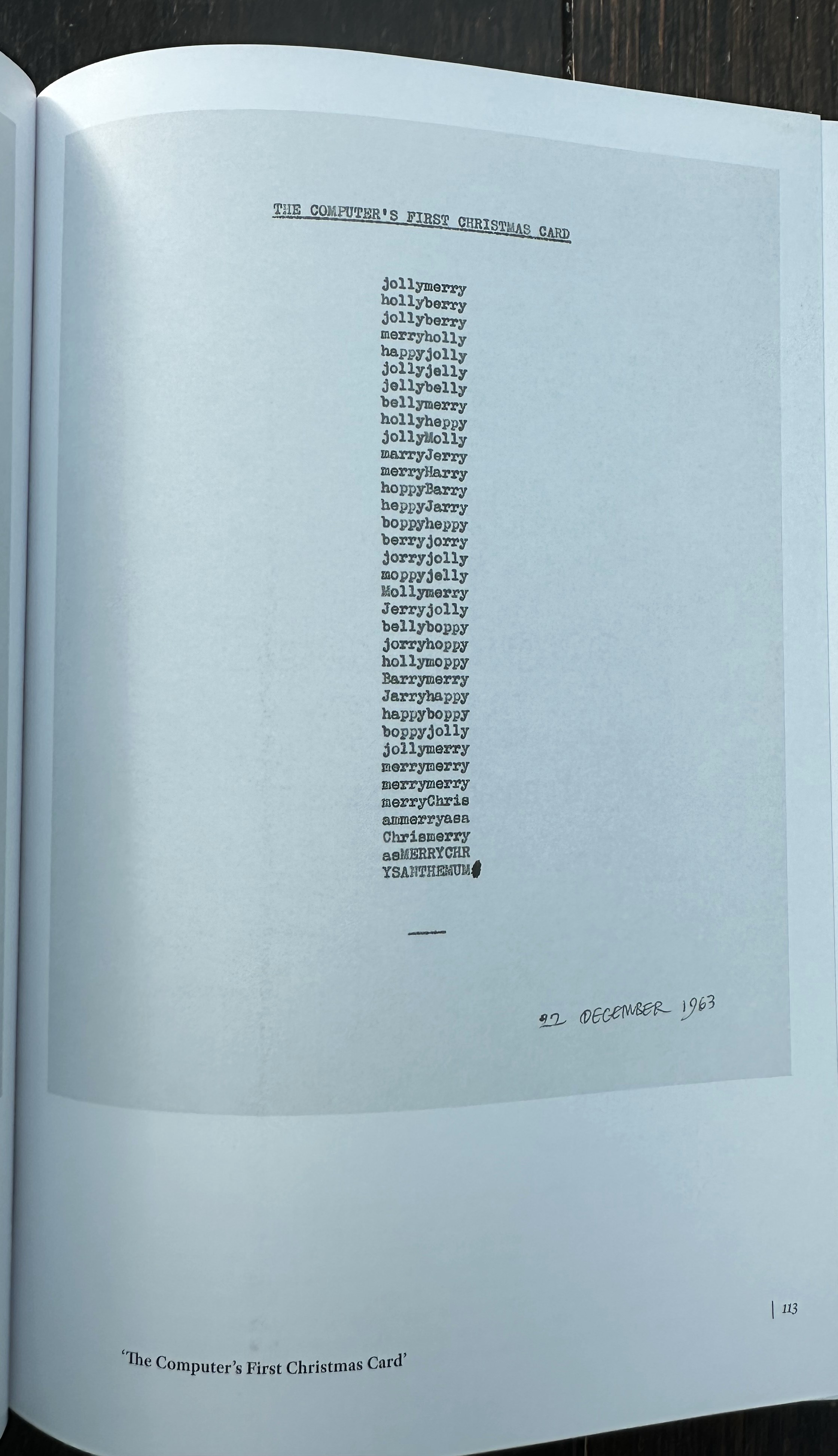
It was especially interesting for me to read ‘We have made the vexed but careful decision to present Morgan’s concrete poems in this chapter in their original typescripts’ because I am delighted they did. This isn’t a purist’s response but one that acknowledges and enjoys the authenticity of doing so because there is the physical endeavour to see in those typed, shaped and patterned poems made fulsomely apparent across 41 pages.
Seeing Orgy (April 1964) in its original typed print is personally delightful – a poem not easy to find online, and copies that do exist are usually a newly typeset presentation which misses out on the perfect grid of its construction. A favourite of mine, I memorised and recited the poem to many classes of students over years of presenting concrete poetry: its propulsive rhythm being aurally dramatic, and of course there was the title to tease them into its remarkable narrative, this itself cleverly teased out of the constraints of that grid. It is important to see as that original and in the context of others presented here in their various shapes, forms and, of course, mimetic patterns as the essence of being visually ‘concrete’.
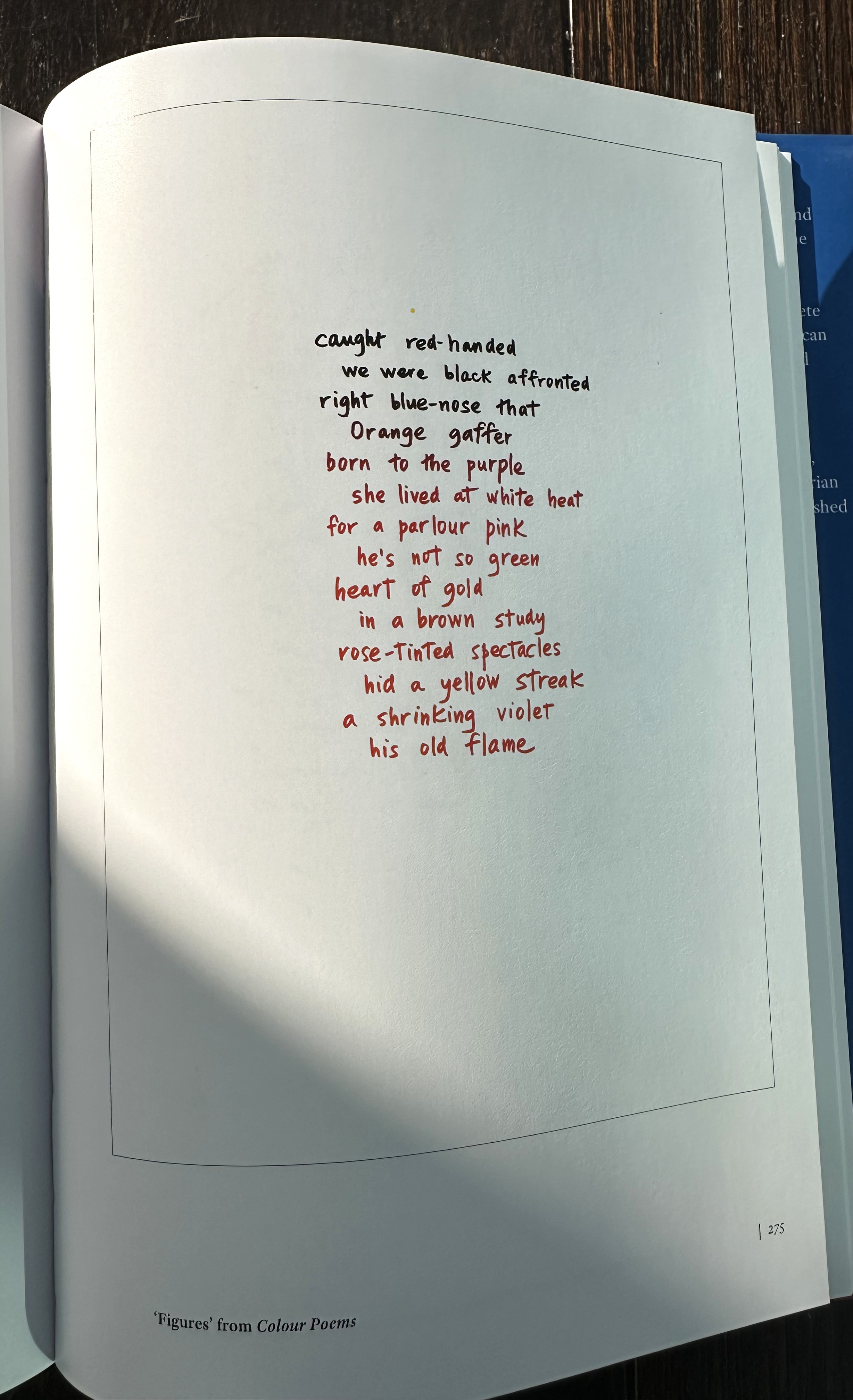
This copious, chronological illustration of the poems continues and works through individual booklets and/or poems conveying such impressive variety in Morgan’s visual interests and outputs, beautifully focused on and presented in chapter 6 Rainbows in Concrete: Cursive and Colour Poems ‘which gathers together various of Morgan’s publications and exhibition materials characterized by their striking use of handwritten, felt-tipped lines of text: not only by colour, but also by the literal evidence of the author’s hands’. Here again, as in the bulk of this book, there are printed illustrations of the original work.
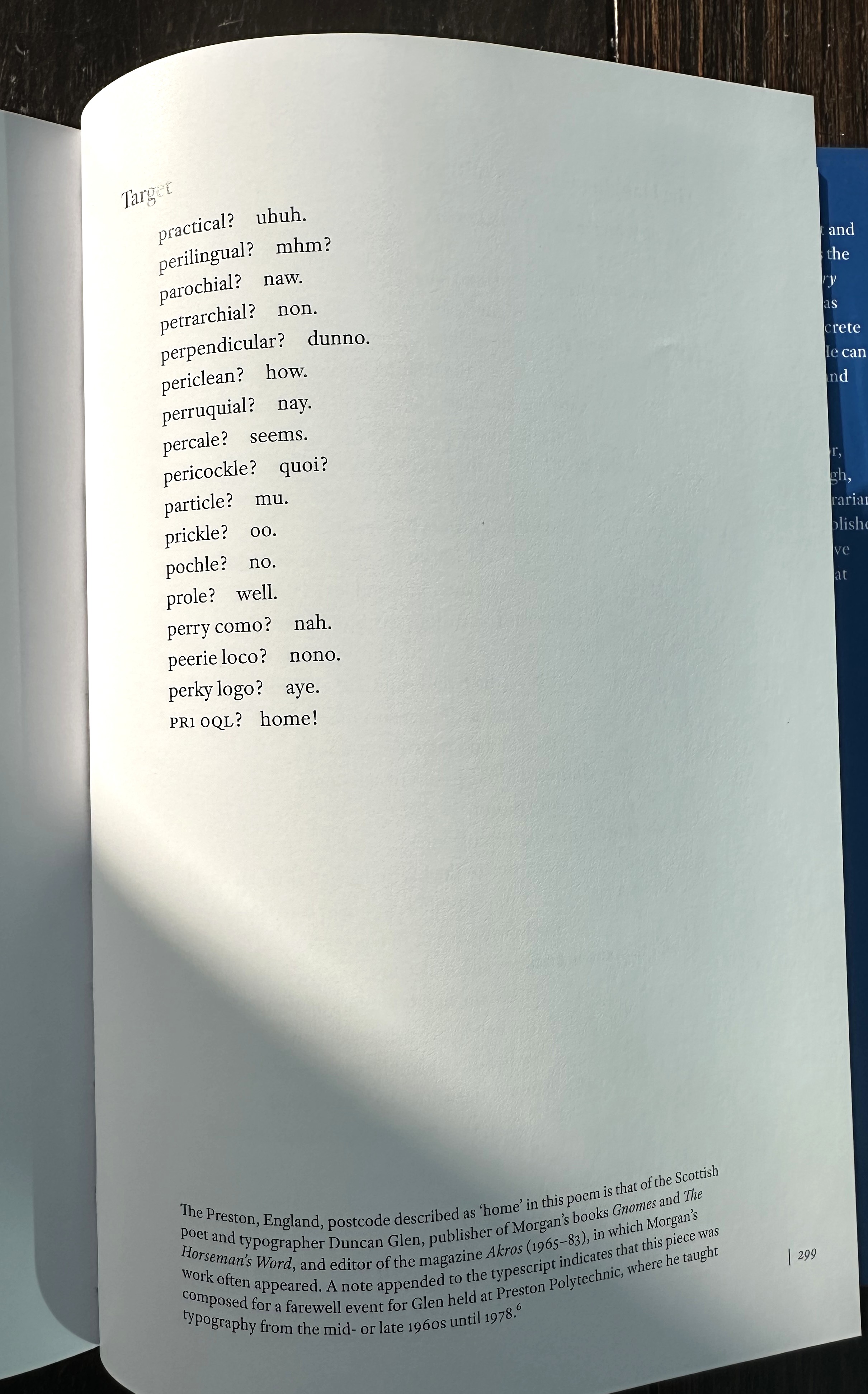
The closing chapter 7 Second Lives ‘gathers together some of the most interesting late forays into concrete, visual and sound poetry, as well as related forms of experiment’, further celebrating Morgan’s active and lifelong commitment to poetic investigation and production.
Greg Thomas and Julie Johnstone have, with fine production from Reaktion Books, given us a superb document of Morgan’s creative legacy.
NB. Read my review of Carcanet’s Centenary Selected Poems by Edwin Morgan (and more on ‘Orgy’…) here