‘Polaroid’ by Willy Vlautin

Lyrics to this song from the Richmond Fontaine album Post to Wire

Everyone inside was half ruined and almost gone
Outside in the frozen parking lot
He held her in his arms
As he led her inside her glasses fogged from the cold and
They both stood there dressed in their best clothes
“Has anyone here seen my dad” the girl called
“Cause he hasn’t been to work and I don’t know
Where he lives anymore”

Not everyone lives their life alone
Not everyone gives up
Or is beaten or robbed or always stoned
Not everyone

The bartender bought them rounds
And made a toast and
With a Polaroid he took their picture and hung it
Up on the bar mirror all alone
And for a little while it was like
The whole world was alright like
No one was beaten or forsaken or had given up
When they’d just seen light

Fake Views

7

fake views

8

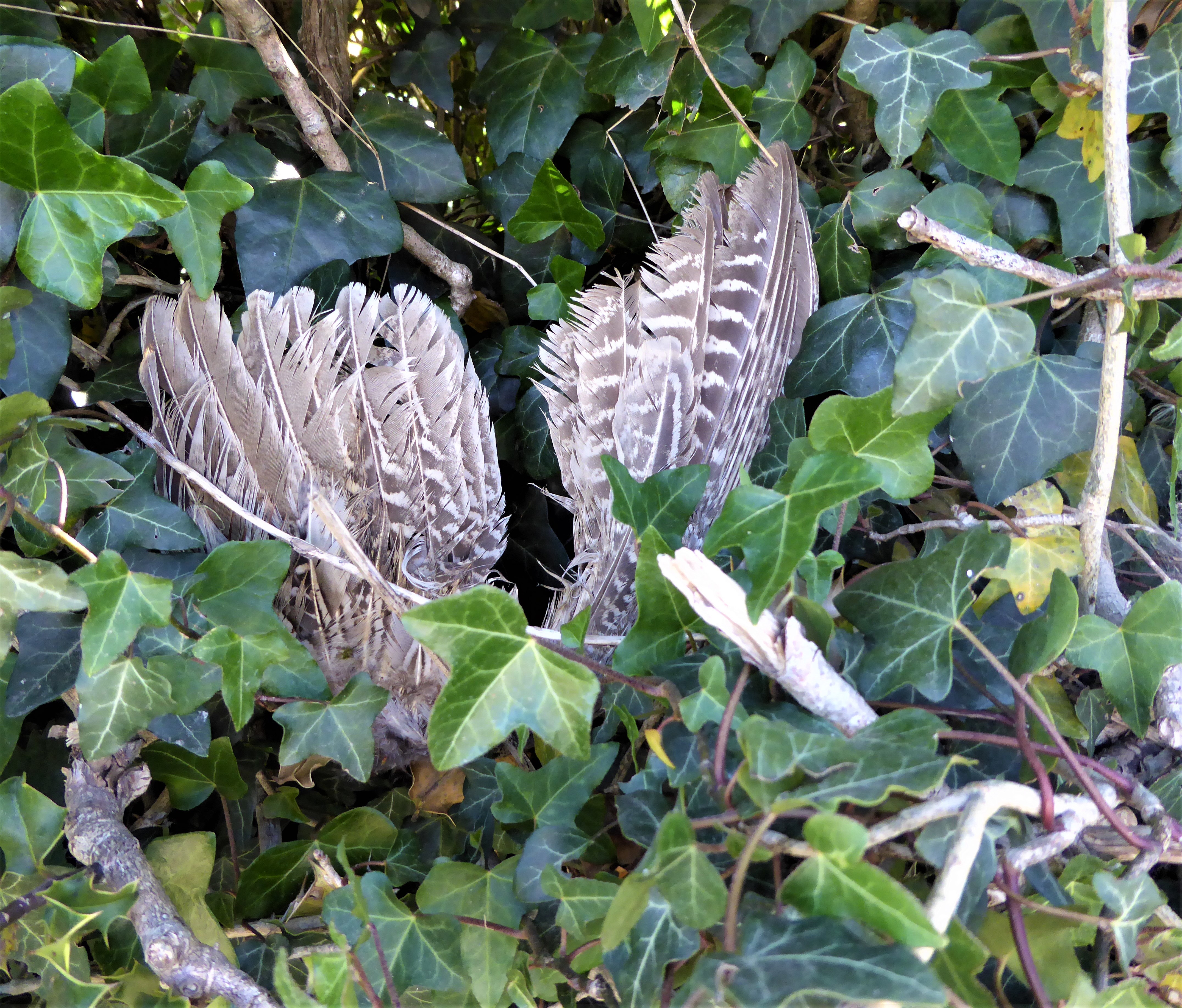
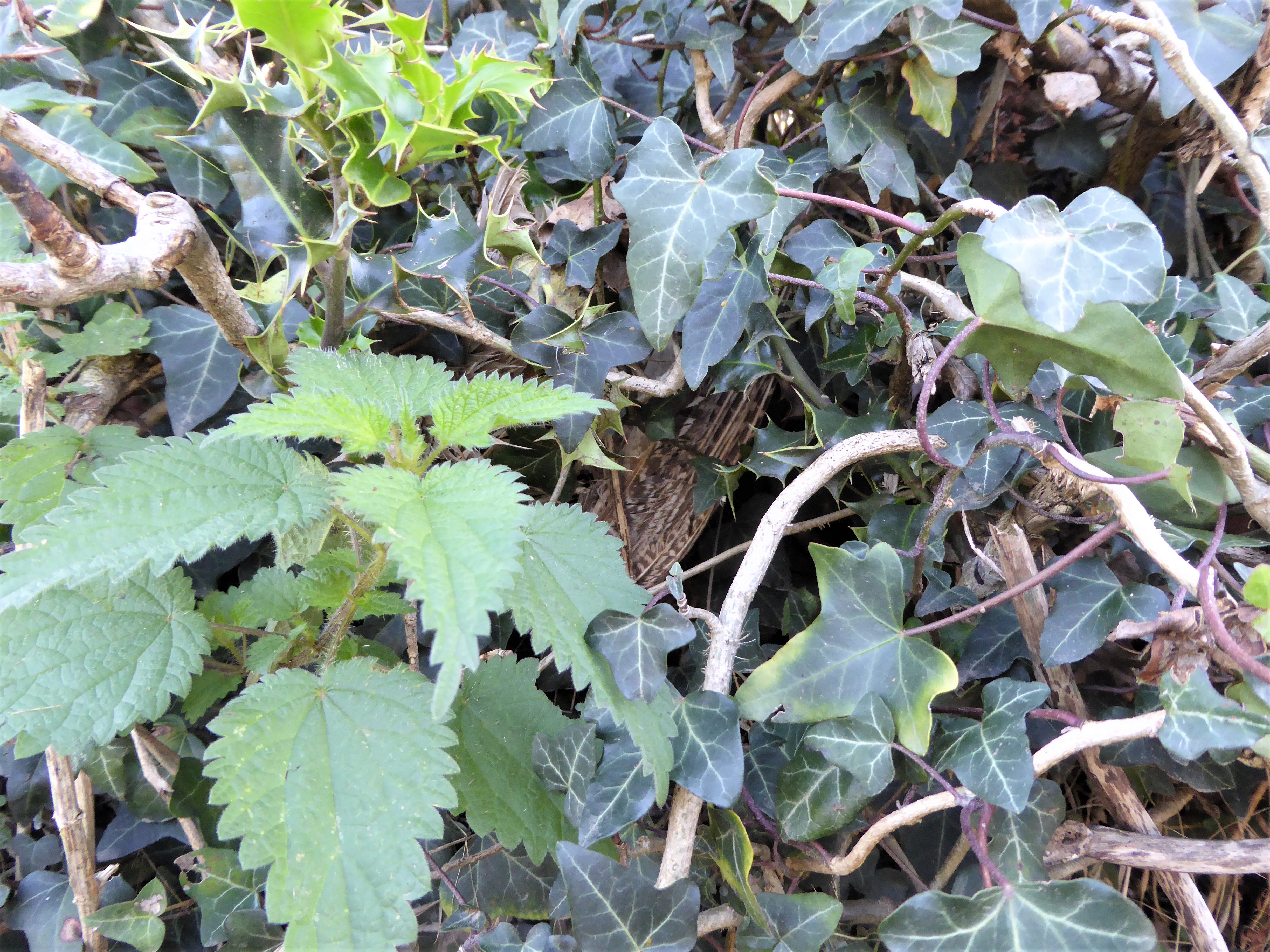
The first picture was taken at the end of May when I placed that slice of feathers in the hedge, hoping to fool anyone who passed into thinking it might have arrived their by natural means. The second picture was taken earlier this month, and in the unlikely event anyone has spotted by chance in passing – at either time – it would be interesting to know their surmises, but especially the surprise and sense of genuine discovery for the second. Perhaps the winter will expose more of that encore shot, back to its original deception.

stream of consciousness

i

go with the freeflow of its water go with the multitudinous go with the myriad go with the going go with the withing go with the mental process texting which is the mental process as text not the other go without the corrections and caveats go with the emotional and poetic mind go with the paralleling go with the internal monologue of the interior go with the seamlessness go with the other which is jumping from one to the other or to the next go with the onrunning of perception go with the erratic and fluctuating go with the ice cream flavours

ii

go go
cream

go with
the go

go
flavours
go

go to
the going

the go
with go

go
the
go

going to
the go

cream
go go

iii

go to the one emotional process
to the next without corrections and
go for fluctuating caveats to go to
and go to the myriad text with its
interior freeflow perception, with its
multitudinous internal paralleling
go to its seamlessness of the poetic
go go erratic onrunning onrunning
the go to flavours texting as process
go to the monologue of corrections
go to a myriad poetic of perceptions

Outside In

Outside In

i

ditto ditto ditto ditto ditto ditto ditto ditto ditto ditto ditto ditto ditto ditto ditto ditto ditto ditto ditto ditto ditto ditto ditto ditto ditto ditto ditto ditto ditto ditto ditto ditto ditto ditto ditto dittoditto ditto ditto ditto ditto ditto ditto ditto ditto ditto ditto ditto ditto ditto ditto ditto ditto ditto ditto ditto ditto ditto samo samo ditto ditto ditto ditto ditto ditto ditto ditto ditto ditto ditto ditto ditto ditto ditto ditto ditto ditto ditto ditto ditto ditto ditto ditto ditto ditto ditto ditto ditto ditto dittoditto ditto ditto ditto ditto ditto ditto ditto ditto samo samo ditto ditto ditto ditto ditto ditto ditto ditto ditto ditto

ii

ditto samo samo
samo samo ditto

iii

ditto ditto ditto ditto ditto

ditto ditto ditto ditto ditto

ditto ditto ditto ditto ditto

ditto ditto ditto samo samo

Knowing Knock-Kneed

P1040993

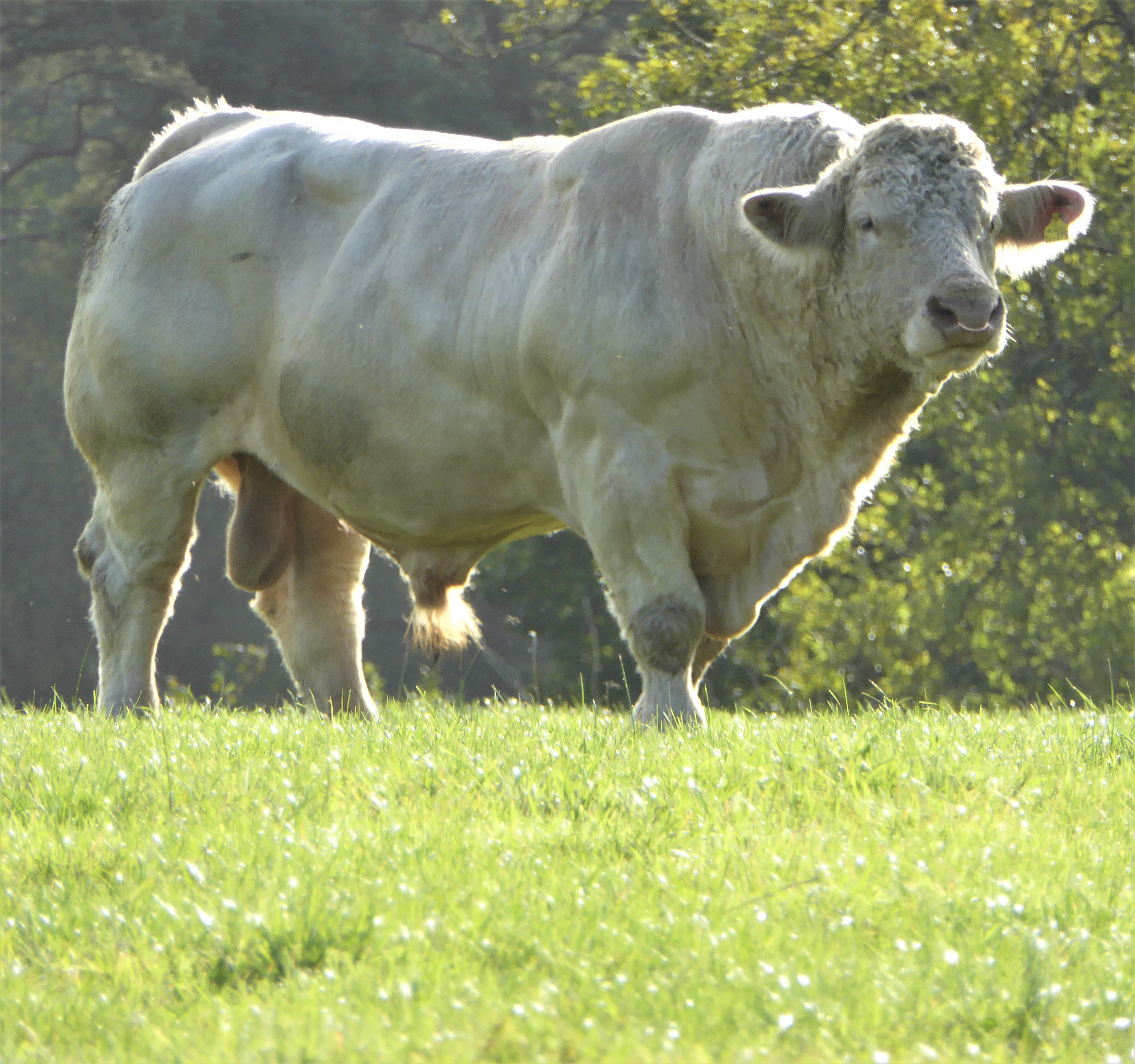
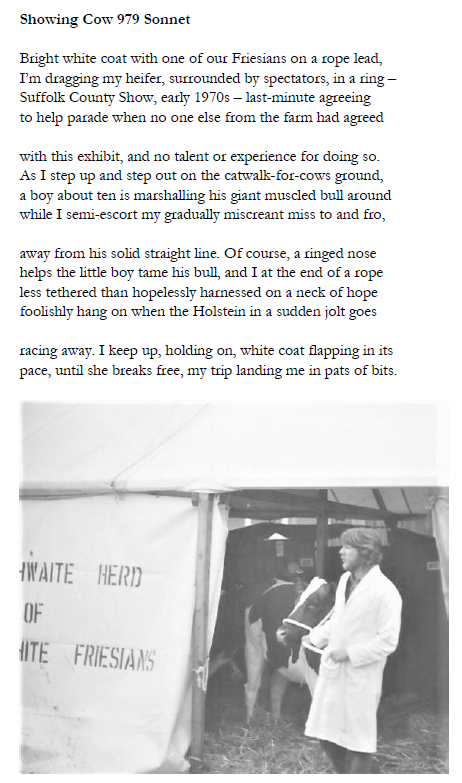
That bull (picture taken this morning) is looking at me just like one in a field I had to enter for feeding all those years ago when working on my Suffolk farm. This had never been my job before and I was scared. Yes, I was able to drive a tractor up to the feeding troughs deep within a dip in that large field, but then had to get out and fill the mangers from a hand-held bag. The bull never flinched, though I did, with my knees knocking one another in what any person who has never had to feed a bull with their knees knocking one another would imagine is just a clichéd, comic myth. I can’t quite remember, but I’ll say this was after my experience of being bettered by a black & white Friesian at the Suffolk County Show, that embarrassment poeticised below, and my logic being at the time of feeding the bull and others, he could cause significantly more damage than dirtying my coat.

b&w

The Ennui of Tedding

I

What the image does not show is a tractor driver’s thinking about another possible career, or the decline in aerating political ideologies, these now too defined by opposites. Brooding in a malaise like hay. Come to me / come to me / oh accidie / let me wrestle with this tedding / let me lay out lines for intense reading. Tosser. Let’s say there is an up and down so far from innuendo as to be monotonous. Ted’s tedium. But the nobility in repetition, returning again and again to beginnings and endings. Those who teach who were once tedders. The haybob makes light work of lighter cuts, but morose contemplation can still be as pervasive.

II

Oh, who is not
Aerating,

Who not brooding in
Ideologies;

Oh, who is not
Intense,

Who not morose in
Contemplation;

Oh, who is not
Political,

Who not pervasive in
Innuendo?

III

In the beginnings of brooding there is ennui,
not accidie, a lighter malaise in thinking, not
to wrestle in the intense reading of what it is to
be morose, but monotonous. This in repetition
is tedding and aerating the contemplation of a
tedium – the image of ideologies as beginning
to endings: opposites decline into their return
-ing, oh come oh come oh come oh come oh
come
to the innuendo lighter. Come to another
that is brooding too, and teach what is not
defined by the political but what is possible.
Ideologies as malaise are the opposite of how
there’s thinking in what contemplation can say,
like there is still nobility in the making of hay.

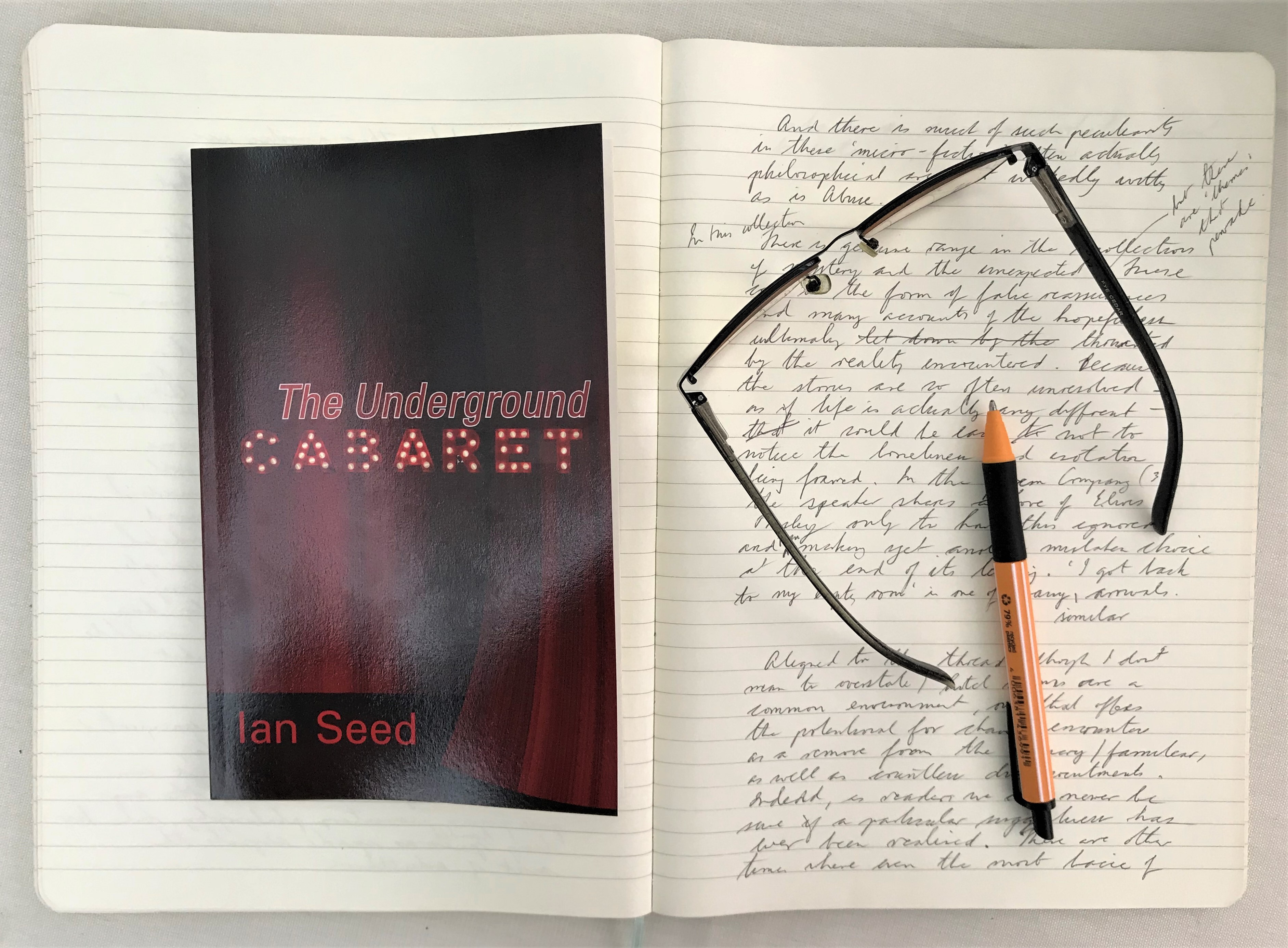
‘The Underground Cabaret’ by Ian Seed – Shearsman Books

IMG_1330

Life, Rented by the Hour

I do not believe these narratives were first etched by a knife in the chest-skin of the author. Were they? That they sing with uncertainty – often disturbing; often enticingly unexpected – is, however, the one certainty there is.

I am disappointed to read on the book’s back cover ‘The prose poems in The Underground Cabaret form the final (my bold type) volume of a quartet, following on from New York Hotel, Identity Papers and Makers of Empty Dreams’ and hope this is yet another tease. There are genuinely few current writers whose work I always look forward to reading so much and always enjoy beyond that expectation. Perhaps there is comfort in this too, a thought to add to all the other possibilities.

The question when reading Seed’s prose poems is always: at what point will I be asking questions, not really needing/wanting to know, but looking forward to those moments. Another wonderful aspect of questioning is, for example, how at the end of a poem Missing, why is what we might want to know the reason why he is standing in the middle of a dual-carriageway? After what has led to this? The actual asking does sound convoluted, but that is the least of concerns.

Sometimes in these poems the unexpected becomes an aphorism about life, as mysterious and surprising as we all know life can be, but rarely as unusual as any prose poem’s momentary metaphysical observation, like how being handed a spade signals the onset of adulthood.

And there is much of such peculiarity in these ‘micro-fictions’, often actually philosophical or just wickedly witty as in Abuse.

In this collection there is genuine range in the recollections of mystery and the unexpected, but there are ‘themes’ that pervade. These come in the form of false reassurances and many accounts of the hopefulness ultimately thwarted by the reality encountered. Because the stories are so often unresolved – as if everyone’s life is any different – and one is pausing on the moment of that precipice,  it could be easy not to notice the loneliness and isolation being framed so regularly. In the poem Company (3), the speaker shares a love of Elvis Presley only to have this ignored and then making yet another mistaken choice at the end of its telling: ‘I got back to my empty room’ being one of many similar arrivals.

Aligned to this thread (though I don’t mean to overstate), hotel rooms are a common environment, one that offers the potential for chance encounters as a remove from the ordinary/familiar, as well as countless disappointments. Indeed, as readers we can never be sure if a particular suggestiveness has ever been realised. There are other times where even the most basic of certainties in an accommodation cannot be sustained, as in Arrival.

Not wanting to characterise the whole, or even its tendencies as a complete embrace of interruption and disappointment – because of the compulsion to read and be engaged and struck warmly by a deep sense of sharing in the tellings – there can be a moment when unable to find that hotel room will lead to the very warmth I have described, as in Criteria where help is found in holding on close and trusting to fortuity and a promise.

Further details can be found here.