‘Call it Democracy’ by Bruce Cockburn

Padded with power here they come
International loan sharks backed by the guns
Of market hungry military profiteers
Whose word is a swamp and whose brow is smeared
With the blood of the poor

Who rob life of its quality
Who render rage a necessity
By turning countries into labour camps
Modern slavers in drag as champions of freedom

Sinister cynical instrument
Who makes the gun into a sacrament —
The only response to the deification
Of tyranny by so-called “developed” nations’
Idolatry of ideology

North south east west
Kill the best and buy the rest
It’s just spend a buck to make a buck
You don’t really give a flying fuck
About the people in misery

IMF dirty MF
Takes away everything it can get
Always making certain that there’s one thing left
Keep them on the hook with insupportable debt

See the paid-off local bottom feeders
Passing themselves off as leaders
Kiss the ladies shake hands with the fellows
Open for business like a cheap bordello

And they call it democracy

See the loaded eyes of the children too
Trying to make the best of it the way kids do
One day you’re going to rise from your habitual feast
To find yourself staring down the throat of the beast
They call the revolution

IMF dirty MF
Takes away everything it can get
Always making certain that there’s one thing left
Keep them on the hook with insupportable debt

And they call it democracy

~ Bruce Cockburn
Call It Democracy lyrics © Rotten Kiddies Music Llc, Bro N Sis Music Inc., Bro N Sis Music, Inc.

‘rhubarb’ by Tom Jenks – Beir Bua Press

TJ

I’ve known and enjoyed the work of Tom Jenks for a few years – both his output as editor/publisher of literary objects imprint zimZalla (two reviews here and here) and as writer of gloriously distinctive prose poetry. Before rhubarb I have enjoyed his and Catherine Vidler’s constraint construction Pack My Box with Five Dozen Liquor Jugs, a playful ‘zany and zanier’ collaboration (see details here) – though its undoubted cleverness is framed still in a way the writing in rhubarb isn’t.

rhubarb, from the wonderful and prolific experimental Beir Bua Press, is a ‘collection of a number of pieces written over a number of years’ and it has been interesting to trace what appears to be a range of styles built around a fundamental oblique and surreal world of Jenks’ writing.

I must, however, immediately challenge my dual categorising of this: neither is quite right, and ‘surreal’ has of late acquired an assault on its suggestiveness, usually by sportspeople interviewed on TV who have just achieved significant success and acknowledgement through their literal skills and dedication who still describe this as ‘surreal’ (when it is patently, and brilliantly, absolutely real). Therefore, I’d have to add/qualify that his writing is inventive, quirky, constantly surprising and signature.

I know best these signature prose poems that I encounter on social media postings, always happy to come across by chance and know I will definitely enjoy, smiling immediately at that first and then subsequent poetic shifts into the unexpected and unique.

The title poem of this collection takes us into a rhubarb world of ‘classic’ Jenks’ knowing, giving the vegetable a life beyond most of our imaginings, and introducing Stanley who knows even more. The ingredients, for example, of a ‘neutralising cordial’ involving rhubarb are revealed with the clarity of this further fascinating knowing.

The opening poem eyebrows exemplifies from the off the ‘peculiar’ narrative journeys we take as readers. Its first two stanzas

‘When I return from my walk across the fields,
my mother trims my eyebrows with the kitchen scissors.

They grow two centimetres every day.
The air is fertile out here in the country.’

launch us toward the sublime concluding visual of the curate ‘on his bicycle’ and the condition of his eyebrows. An ‘overlooked nineteenth century Russian novelist’ is the subject of the poem not so far, Fyodor and it is a tragedy, truly.

In when it gets dark, I fetch my special spoon we learn about the curing potency of UHT milk and a sponge as well as the connection (with Christmas approaching?) to ‘goose fat and memories’.

The poem hedge in its entirety speaks volumes about passion

‘We have planted a hedge at the edge of the fields. It grows a little
each day, like an ardour. At night we stand either side of it and
picture it seven feet tall, with a ditch.’

Where would you, as reader, imagine these opening lines from song from a forest will take you

‘What can I do with him, he is so randy,
hairy hands in the mayonnaise.’

I am wondering on behalf of Michael Bolton, by the way.

There is a comparative longpoem core in this collection Walt Disney is sending us letters, and it intrigues by sustained revelations that are absurd and comic and disturbing. There is a knight and there is WD and are either likely to be heroic?

There is another long and wise poem the baby that offers advice to those who anticipate and then have a baby. Surprisingly, there is some normal advice offered…

A favourite line from another poem:

‘I saw a dog that was entirely see through’

This brisk collection is an absolute delight. The storytelling is always fresh, and I have such huge respect for the imaginative depth with which Jenks sustains this. I’ve read many others who have tried to emulate – having a go myself – and speaking personally, it is upsetting to realise how impossible it is. I think of Matthew Sweeney and Ian Seed who also have their signature approaches in poetic narrative (as well as their failing imitators: OK, me again) and Tom Jenks is a bright light in that triumvirate.

Speaking of lights, I mentioned Christmas earlier. I know, it is only November, but it is near the end of the month. Two thoughts:

1.

It would make a wonderful Christmas game to choose and print opening and/or internal lines from any of these poems and put in a small box or other receptacle (a rhubarb basket perhaps) and family members and guests select and have to write the ‘rest of the story’ or similar from their randomly selected lines.

2.

Buy this book as a Christmas gift. Really. It would make a superb present; great Xmas reading. Fun and unusual, easy to cover in one sitting or a few. Tell readers they don’t need to take drugs to read and encounter amazing worlds; or encourage to take drugs and read and blow their minds beyond any previous hallucinogenic experience.

I am serious about both of these. More details and to purchase, go here.

Horizon Event

1.

When lock
down

set the bar so
low

we could all be forgiven when not looking across that long distant line for genuine
hope.

2.

Is it still a better kind of expectation than being heroic? Another question: are there reasonable grounds for the unprecedented? Austerity has its own arc which is invisible but a boundary all the same. There has to be an ethos for recovery, a character that holds belief beyond the self and therefore appears to touch the sky. In an atmosphere of refraction, we all formalise different journeys, and communication becomes the gauge of our ability to arrive. Derivation on the curve, more or less. Approximation would appear to be the gaping hole in political argument, especially when leaders just guess, flip a coin, check discredited runes, or simply lie.

3.

There is
a dialogue with the past that
has to be had.

While horizons
remain the same in any era,
their narrative lines

are threads
that break or survive.
Bring Out

Your Dead,
Pile Them High

is an echo

spinning its
curve along the recurring event
of deaths,

but there are
nuances of whether we care
or not.

4.

Let us formalise the question: are the
gaping holes an ethos for being
unprecedented? Self-refraction flips
those runes to spin the heroic, but here
is an argument discredited on the grounds
of what is reasonable. Approximation is
derivation, a curve on the journey to the
boundary of belief, and the political is
invisible: all we own is communication,
and when this holds there is recovery.

Check expectation is more than a guess,
especially when the same as some lie,
and know austerity is more than less,
especially as we gauge an arc of sky.

5.

Hope in the offing
is more than a distant view
on the horizon:

when touch meets the sky
like a lyrical line, we
want meaningfulness.

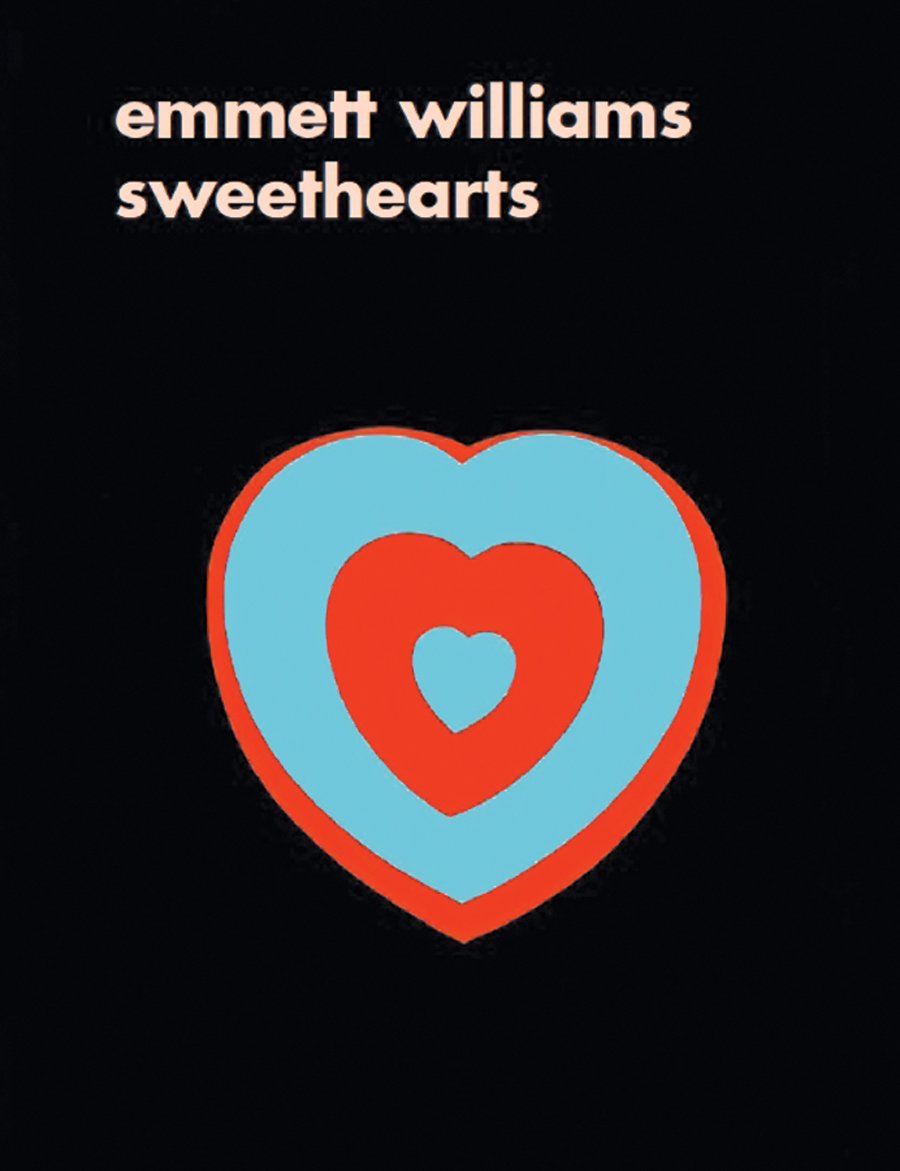
The Revelation of ‘sweethearts’ by Emmett Williams

e w s

I have recently discovered the full/er story of Emmett Williams’ concrete poem/narrative sweethearts, this after nearly 40 years of ‘knowing’ it as something quite different.

In the early 80s and at the beginnings of my English teaching career, I would introduce concrete poetry to students for reading enjoyment and their own creative writing. My models at that time were work by Edwin Morgan, Ian Hamilton Finlay, Eugen Gomringer, Ernst Jandl (the amazing Erschaffung der Eva), Claus Bremer, and Reinhard Döhl with the wonderful Aphel.

1 cp2 cp

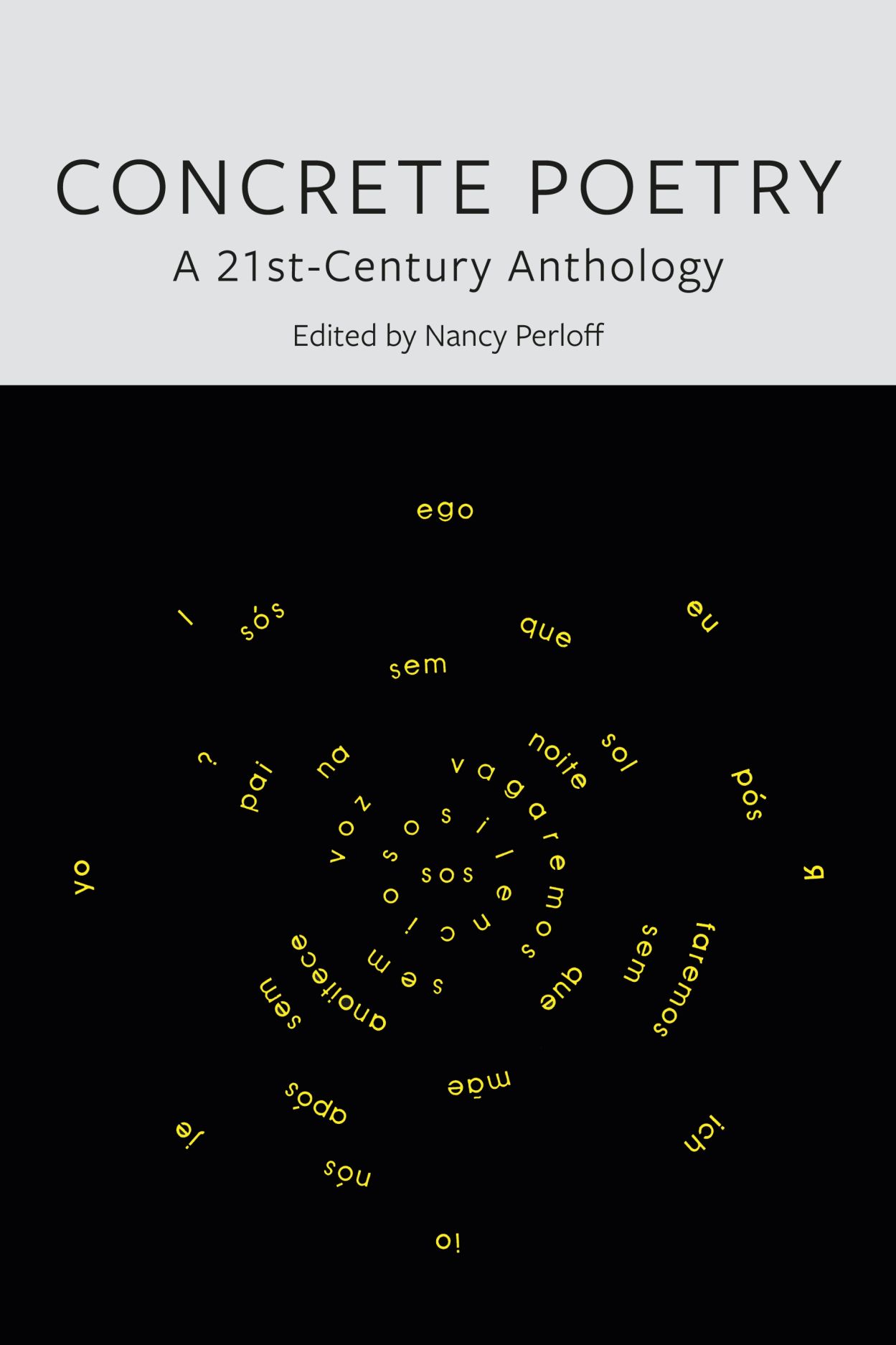
These writers and examples of their concrete poems were from an anthology – a print book – and I essentially knew just the ones provided for illustration, unable as we are today to explore widey online. Of course, I might have done more of this over the years than is the case, but I did so to some degree, and have more recently downloaded/collected a greater range – those familiars as well as new – and I am currently reading Concrete Poetry edited by Nancy Perloff: another print copy, but a fulsome history to hand.

c p

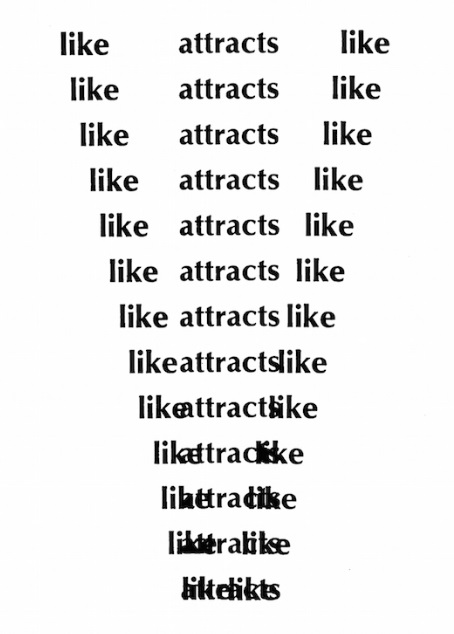
I compiled my own booklet in the early 80s containing many of the above poems mentioned as well as others, and along with Emmett Williams’ superb like attracts like,

like attracts

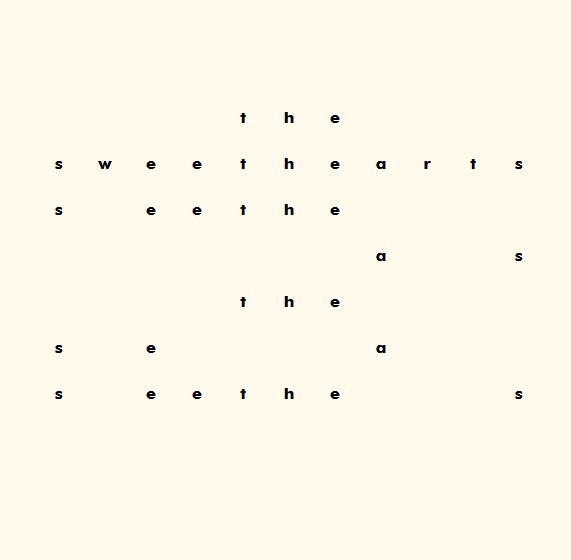
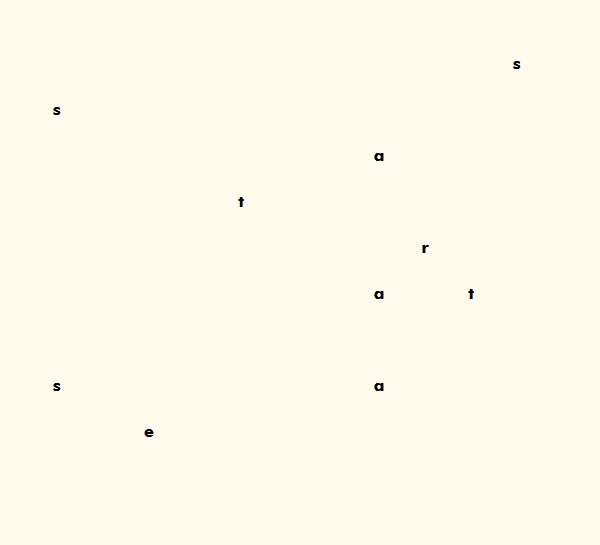
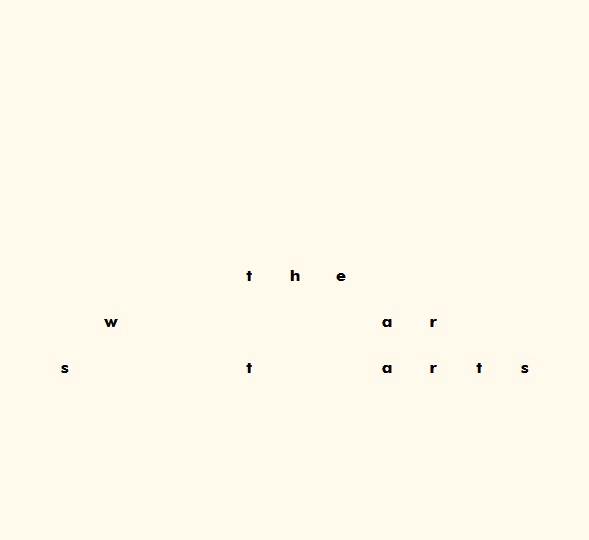
I included his sweethearts poem which at the time was comprised of the 5 pages I had. Thinking this the complete version, I presented it as a concrete poem narrative telling the story of sweethearts who have a fight and break up: quite an acceptable interpretation on my evidence, and certainly able to illustrate how the ‘grid’ formula of this concrete poem can work from simple to expansive. Here are the 5 pieces I had:

1sweethearts2 seethe3 see stars4 stars5 war starts

I only last week learned that sweethearts was published as a book of 226 pages in 1968; this in fact 138 pages of the actual sequence of concrete poems (I’m guessing – see link below – but this could still be an ongoing error), ‘starting’ with the single line sweethearts, and read from back to front where this singular line is, or in any formation the reader chooses: I like the full page/grid of sweethearts from which the rest is composed by erasures as its beginning. As it turns out, the complete text is a gloriously and at times explicit erotic poem, so my ‘version’ was acceptable for classroom use!

The full poem here: https://rohandrape.net/rd/j/2017-04-05/ew/sweethearts.pdf