Outside In

Outside In

i

ditto ditto ditto ditto ditto ditto ditto ditto ditto ditto ditto ditto ditto ditto ditto ditto ditto ditto ditto ditto ditto ditto ditto ditto ditto ditto ditto ditto ditto ditto ditto ditto ditto ditto ditto dittoditto ditto ditto ditto ditto ditto ditto ditto ditto ditto ditto ditto ditto ditto ditto ditto ditto ditto ditto ditto ditto ditto samo samo ditto ditto ditto ditto ditto ditto ditto ditto ditto ditto ditto ditto ditto ditto ditto ditto ditto ditto ditto ditto ditto ditto ditto ditto ditto ditto ditto ditto ditto ditto dittoditto ditto ditto ditto ditto ditto ditto ditto ditto samo samo ditto ditto ditto ditto ditto ditto ditto ditto ditto ditto

ii

ditto samo samo
samo samo ditto

iii

ditto ditto ditto ditto ditto

ditto ditto ditto ditto ditto

ditto ditto ditto ditto ditto

ditto ditto ditto samo samo

Knowing Knock-Kneed

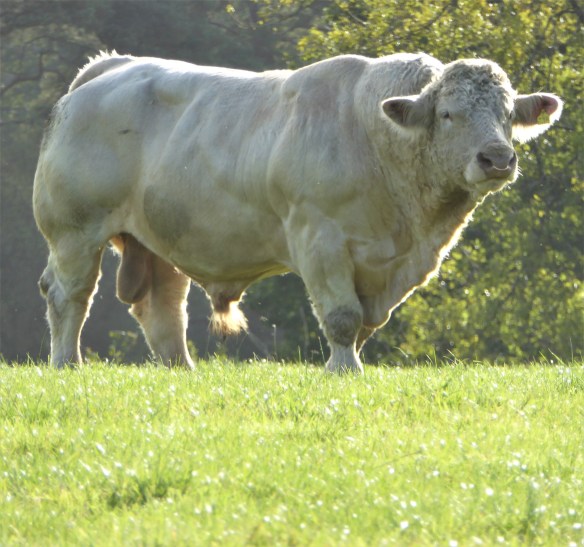
P1040993

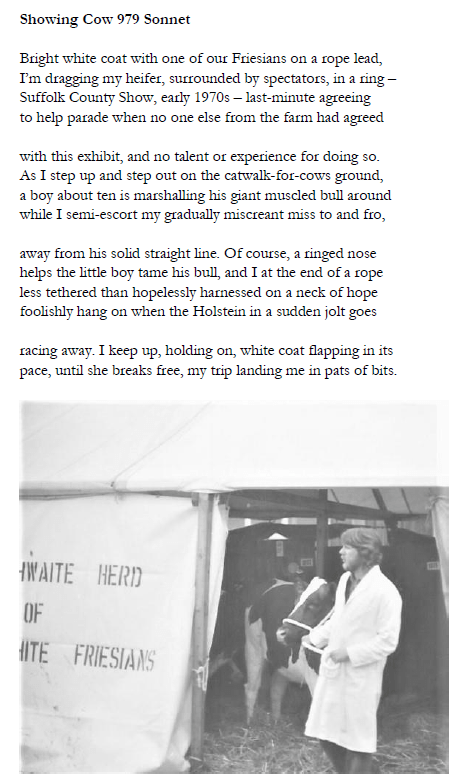
That bull (picture taken this morning) is looking at me just like one in a field I had to enter for feeding all those years ago when working on my Suffolk farm. This had never been my job before and I was scared. Yes, I was able to drive a tractor up to the feeding troughs deep within a dip in that large field, but then had to get out and fill the mangers from a hand-held bag. The bull never flinched, though I did, with my knees knocking one another in what any person who has never had to feed a bull with their knees knocking one another would imagine is just a clichéd, comic myth. I can’t quite remember, but I’ll say this was after my experience of being bettered by a black & white Friesian at the Suffolk County Show, that embarrassment poeticised below, and my logic being at the time of feeding the bull and others, he could cause significantly more damage than dirtying my coat.

b&w

The Ennui of Tedding

I

What the image does not show is a tractor driver’s thinking about another possible career, or the decline in aerating political ideologies, these now too defined by opposites. Brooding in a malaise like hay. Come to me / come to me / oh accidie / let me wrestle with this tedding / let me lay out lines for intense reading. Tosser. Let’s say there is an up and down so far from innuendo as to be monotonous. Ted’s tedium. But the nobility in repetition, returning again and again to beginnings and endings. Those who teach who were once tedders. The haybob makes light work of lighter cuts, but morose contemplation can still be as pervasive.

II

Oh, who is not
Aerating,

Who not brooding in
Ideologies;

Oh, who is not
Intense,

Who not morose in
Contemplation;

Oh, who is not
Political,

Who not pervasive in
Innuendo?

III

In the beginnings of brooding there is ennui,
not accidie, a lighter malaise in thinking, not
to wrestle in the intense reading of what it is to
be morose, but monotonous. This in repetition
is tedding and aerating the contemplation of a
tedium – the image of ideologies as beginning
to endings: opposites decline into their return
-ing, oh come oh come oh come oh come oh
come
to the innuendo lighter. Come to another
that is brooding too, and teach what is not
defined by the political but what is possible.
Ideologies as malaise are the opposite of how
there’s thinking in what contemplation can say,
like there is still nobility in the making of hay.

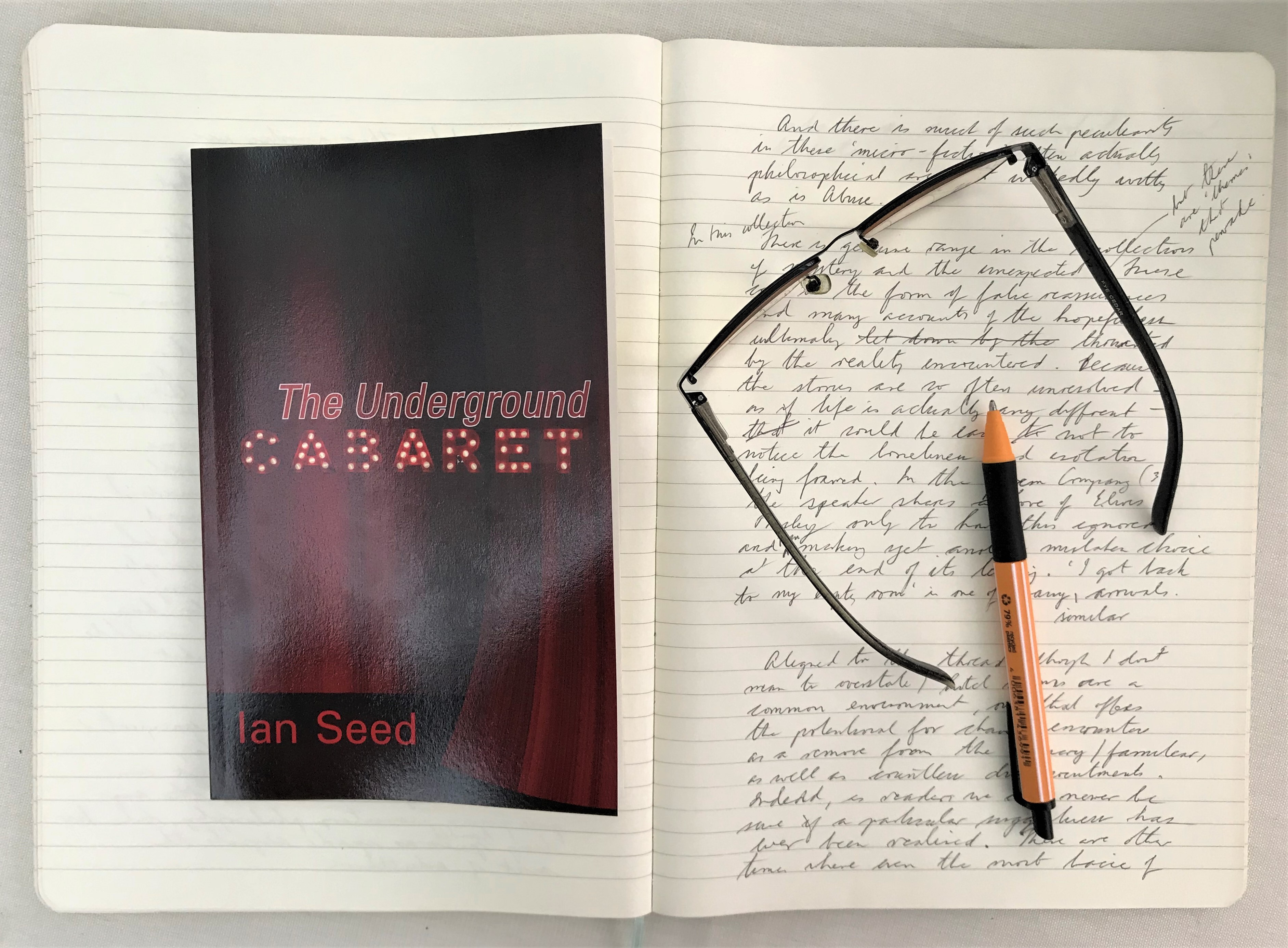
‘The Underground Cabaret’ by Ian Seed – Shearsman Books

IMG_1330

Life, Rented by the Hour

I do not believe these narratives were first etched by a knife in the chest-skin of the author. Were they? That they sing with uncertainty – often disturbing; often enticingly unexpected – is, however, the one certainty there is.

I am disappointed to read on the book’s back cover ‘The prose poems in The Underground Cabaret form the final (my bold type) volume of a quartet, following on from New York Hotel, Identity Papers and Makers of Empty Dreams’ and hope this is yet another tease. There are genuinely few current writers whose work I always look forward to reading so much and always enjoy beyond that expectation. Perhaps there is comfort in this too, a thought to add to all the other possibilities.

The question when reading Seed’s prose poems is always: at what point will I be asking questions, not really needing/wanting to know, but looking forward to those moments. Another wonderful aspect of questioning is, for example, how at the end of a poem Missing, why is what we might want to know the reason why he is standing in the middle of a dual-carriageway? After what has led to this? The actual asking does sound convoluted, but that is the least of concerns.

Sometimes in these poems the unexpected becomes an aphorism about life, as mysterious and surprising as we all know life can be, but rarely as unusual as any prose poem’s momentary metaphysical observation, like how being handed a spade signals the onset of adulthood.

And there is much of such peculiarity in these ‘micro-fictions’, often actually philosophical or just wickedly witty as in Abuse.

In this collection there is genuine range in the recollections of mystery and the unexpected, but there are ‘themes’ that pervade. These come in the form of false reassurances and many accounts of the hopefulness ultimately thwarted by the reality encountered. Because the stories are so often unresolved – as if everyone’s life is any different – and one is pausing on the moment of that precipice,  it could be easy not to notice the loneliness and isolation being framed so regularly. In the poem Company (3), the speaker shares a love of Elvis Presley only to have this ignored and then making yet another mistaken choice at the end of its telling: ‘I got back to my empty room’ being one of many similar arrivals.

Aligned to this thread (though I don’t mean to overstate), hotel rooms are a common environment, one that offers the potential for chance encounters as a remove from the ordinary/familiar, as well as countless disappointments. Indeed, as readers we can never be sure if a particular suggestiveness has ever been realised. There are other times where even the most basic of certainties in an accommodation cannot be sustained, as in Arrival.

Not wanting to characterise the whole, or even its tendencies as a complete embrace of interruption and disappointment – because of the compulsion to read and be engaged and struck warmly by a deep sense of sharing in the tellings – there can be a moment when unable to find that hotel room will lead to the very warmth I have described, as in Criteria where help is found in holding on close and trusting to fortuity and a promise.

Further details can be found here.

Fuck Capitalism

It was on the 24th of September that GOV.UK  published Guidance on teaching the curriculum, this hitting the headlines on the 27th – in The Guardian/TES at least – and the newspaper reportage focused on the announcement there was a ban on the teaching of any anti-capitalism ideas. I didn’t respond then as this didn’t seem any more obnoxious and outrageous than anything else this government says or does.

It is a little surprising that the announcement, and there are many in the document, comes from guidance titled Plan your relationships, sex and health curriculum. Having sex with anti-capitalism resources? Perhaps I am being too literal. I trust there is no ban on being metaphoric [though on reflection that has been whittled away over years with the demise of creative subjects and The Rise of the Knowledge Curriculum].

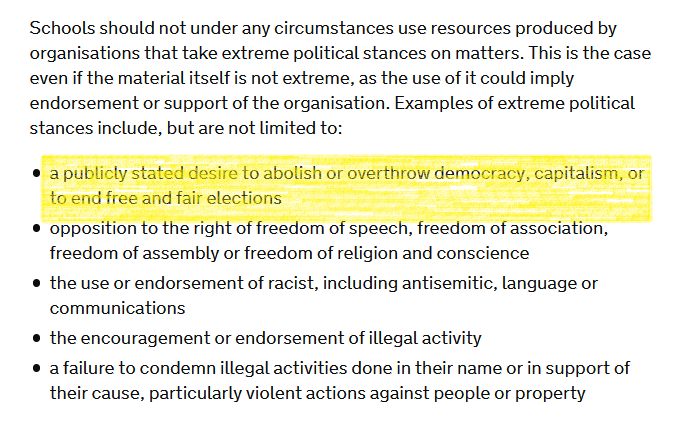
Here is the first ludicrous statement that caused the most ‘liberal’ outrage, correctly so:

govt1

I have highlighted the pertinent statement and it is quite clear. It is also clear how ‘undemocratic’ the statement is itself. Why isn’t the word ‘socialism’ included? It is personally sad that we haven’t had that many socialist governments in power of late, but there have been [well, I understand the debating points here…]. But to even analyse to this cursory level is ridiculous. It is quite simply a biased, strident and dictatorial viewpoint.

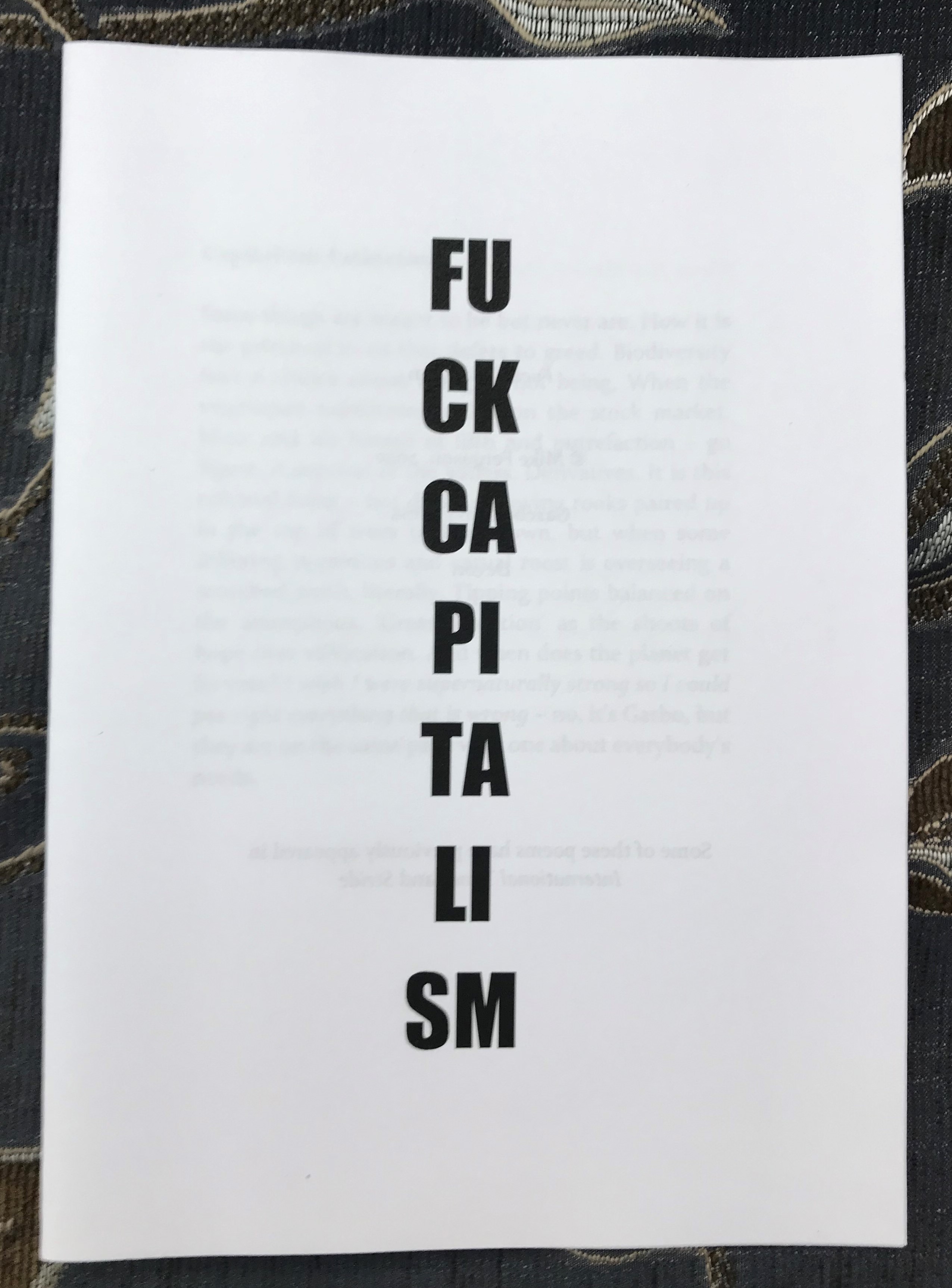
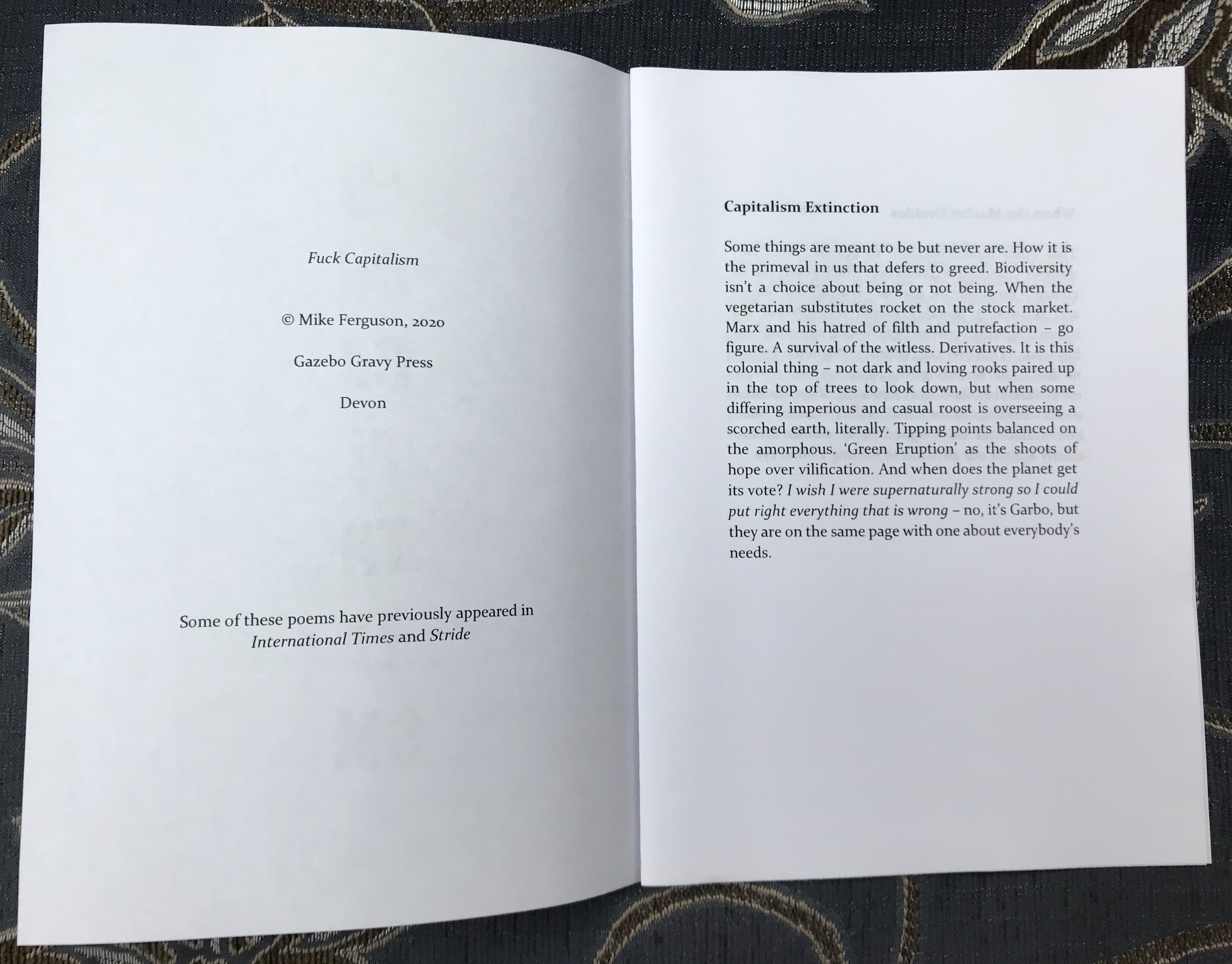
But it has also just occurred to me that no one will now be able to use my poetry collection in any classroom teaching, for example, the use of found poetry and other innovative approaches to convey a viewpoint poetically:

IMG_1328

IMG_1329

I did find one other section of those I read in the Guidance an interesting one:

govt2

I shouldn’t need to explain why this is ‘interesting’…

Blue Boat Beached

These are not mud flats, a
boat held instead by a clean
weight of stones.

Wrecks sink to the depths
or display their wear and tear
for amateur snappers.

Is it the alliteration
or proliferation which makes this
so common?

As if the sea has
painted it: old rope here is a
nostalgic attachment,

or the fake news of a tourist trap;
its flaking are colours uncertain of their place
in the composition.

That blue boat in black and white
speaks for knowing or hope
over evidence.

I once hung a black fishing net
in patterns across the cottage’s beams and
orange wall for a similar aesthetic.

Quest Posting

I

If a traveller engaged in a search, they can send poetic messages of discovery and disappointment. Being able to connect with the pursuit. The hallmark of managing a threat is in the desire. Or there is an alternative of having been sent for the audacity. When it is a tipo. How the letterbox was transported to a reception far beyond its expectations. As a goal, it would have to be fervent, and that requires a certainty of achieving – this notoriously counter to the source of creativity and failure. Usually involving a storyline, you do not want to nail this to the sticking place. Unlocking a potential for surprise and difference, there is self-promotion embedded in the most generous of offerings.

II

Creativity as a pursuit
to expectations,

fervent for surprises
and messages of self.

When not a discovery it is
a potential to nail difference,

an alternative hallmark for
unlocking disappointment.

Being beyond managing,
wanting to be embedded

is a reception engaged
in the storyline.

III

Uncertainty requires a generous
disappointment in expectations,
unlocking potential and desire in
a quest for the alternative surprise.

As a discovery, to want failure
is achieving audacity in the pursuit
of the poetic connect, managing a
counter to involving a storyline.

Messages are fervent when there
for a difference, desire transported
as a threat beyond the embedded
and offerings in pursuit of a search.

The desire of surprise creativity
from a connect beyond certainty.